Photo: cottonbro studio / Pexels
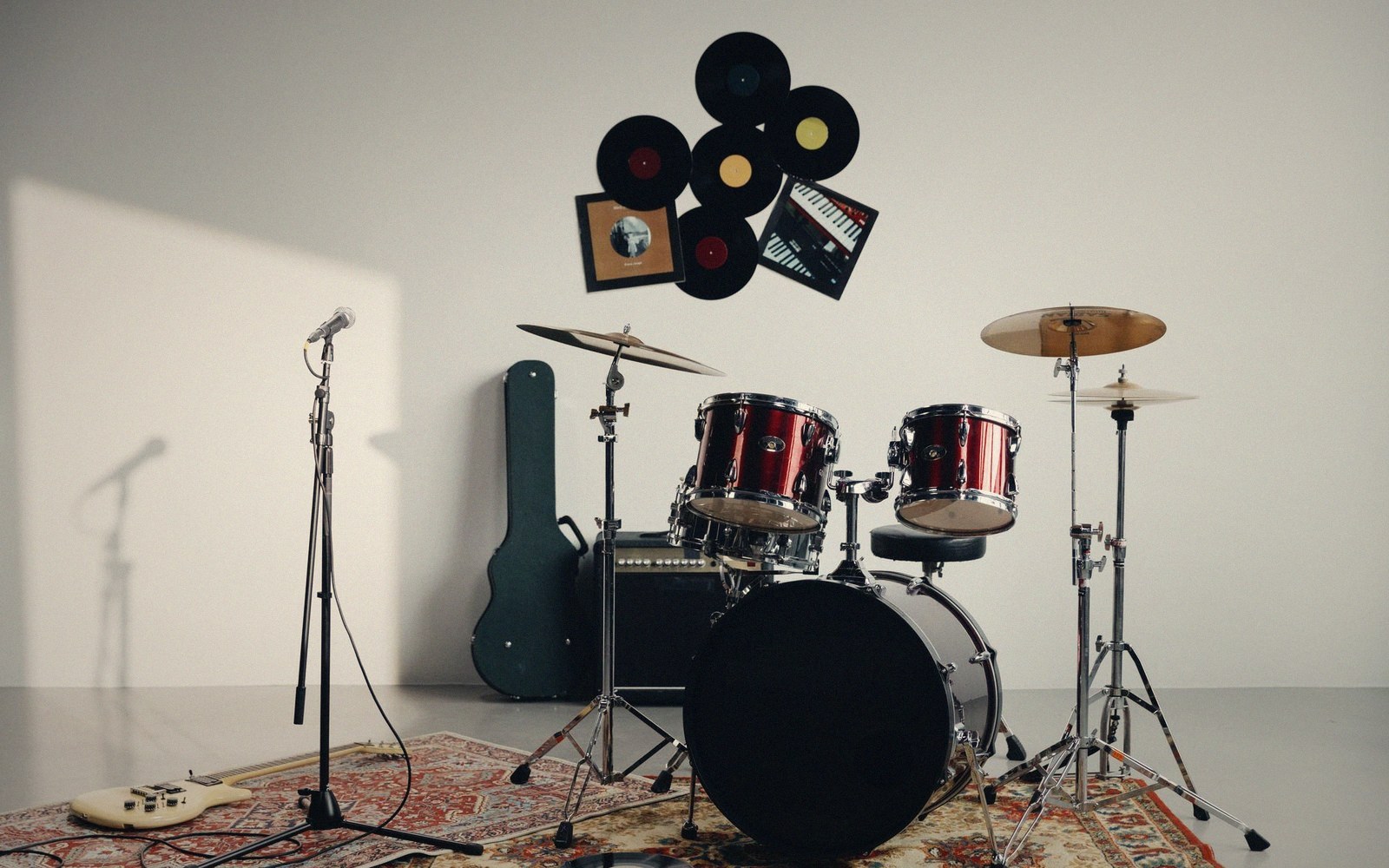
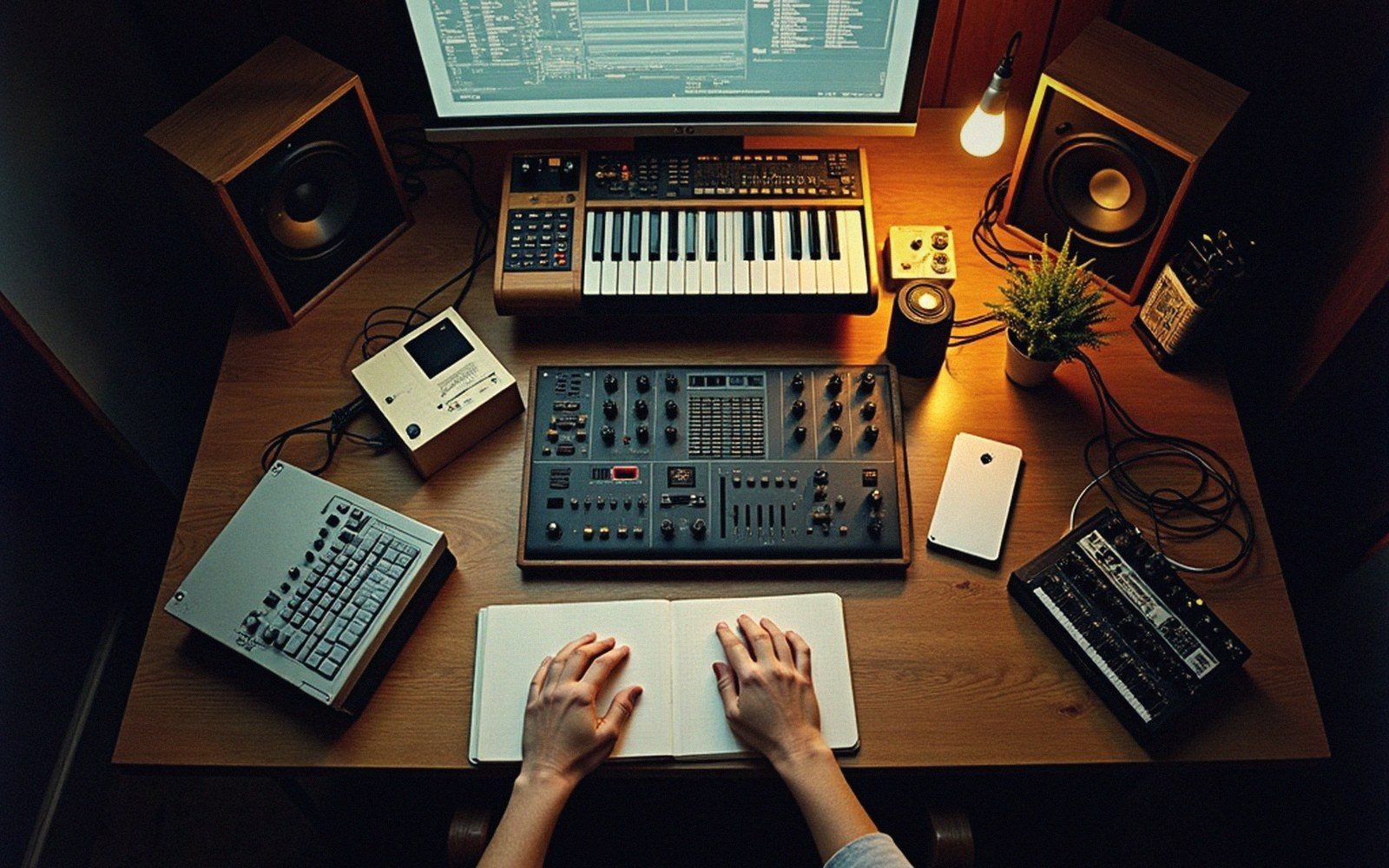
A room as an instrument
Why the same kit recorded in two rooms is two different sounds, and what a live room actually contributes.
New wave as a sound, and the machines that made it possible. Every entry is one machine, room or technique, and the records that show what it did.
The Desk · Entry 3.1
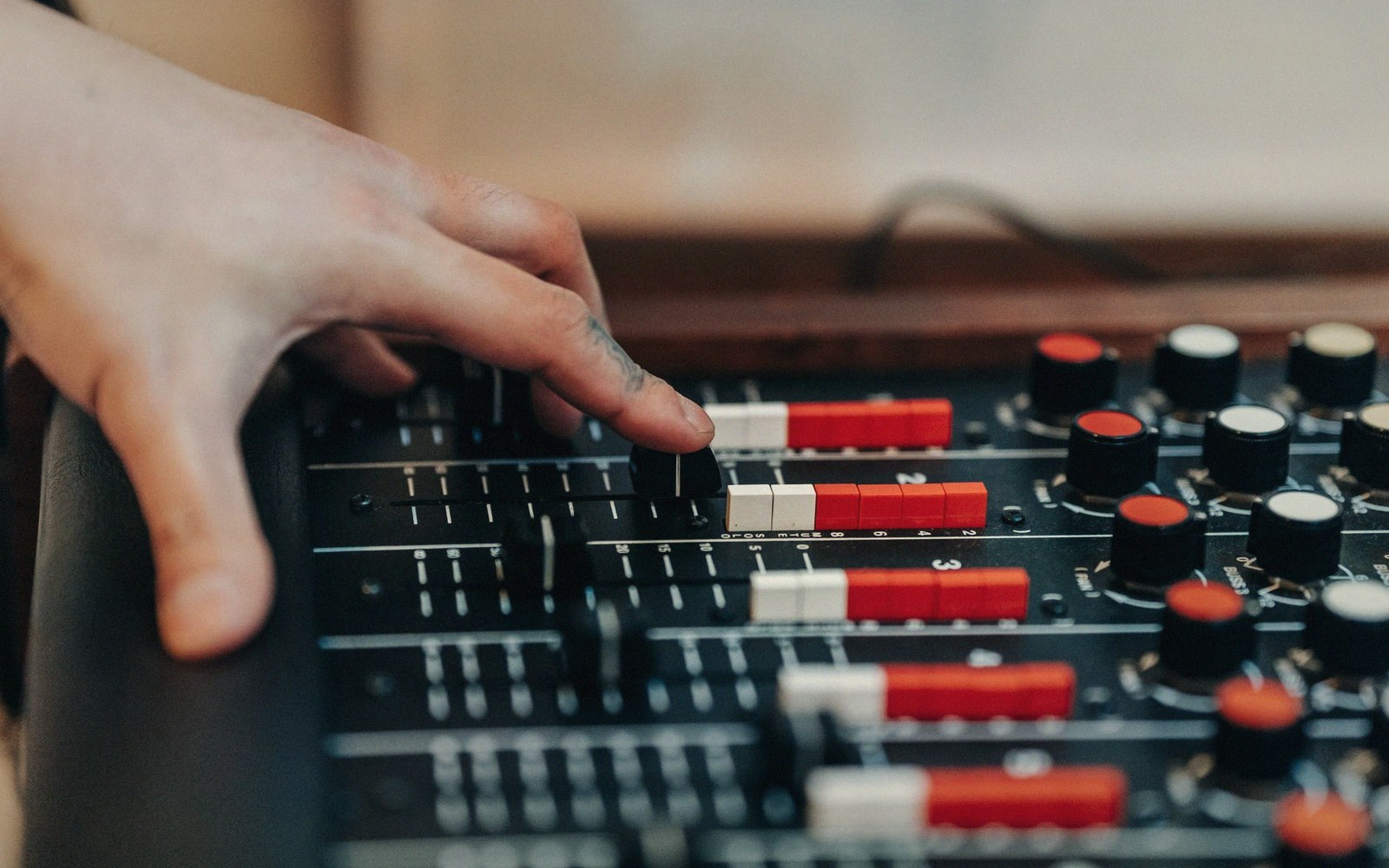
A path on the desk existed so the control room could hear the floor between takes. Compressed hard and left open on a kit, it delivered the room at a size the room did not have — and the gate that cut its tail defined the drum sound of the eighties.
Every decision on this page is made by a hand on a fader, in a room, with somebody listening. That is why the same machine recorded in two buildings is two different records.
Photo: Anna Pou / Pexels
Every entry is one machine, room or technique — and the records that show what it did.
The Machines · Entry 1.1
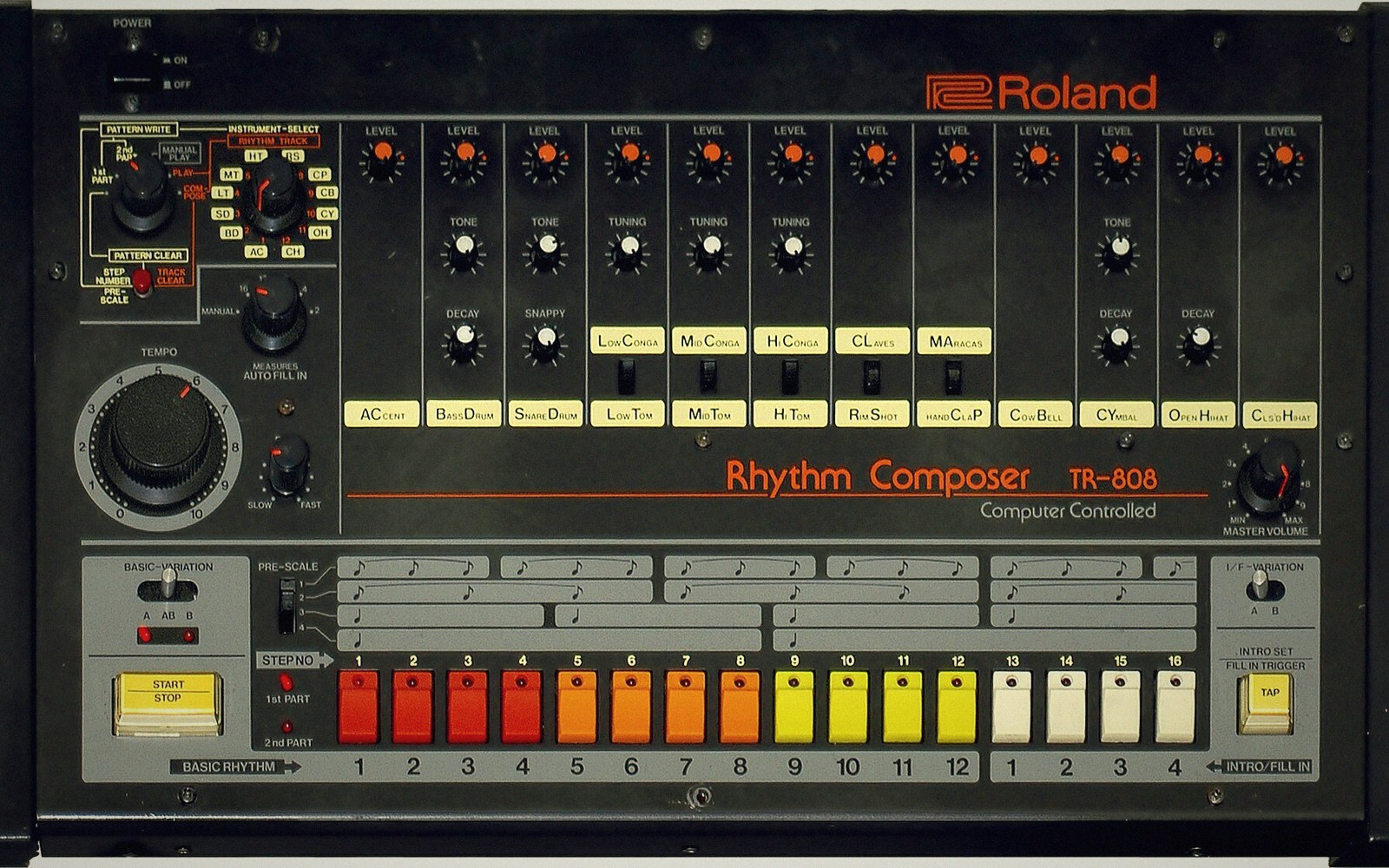
Photo: Roland TR-808 · Wikimedia Commons
The Rooms · studios treated as instruments
Photo: cottonbro studio / Pexels
Why the same kit recorded in two rooms is two different sounds, and what a live room actually contributes.
Photograph supplied to Lexicon Magazine.
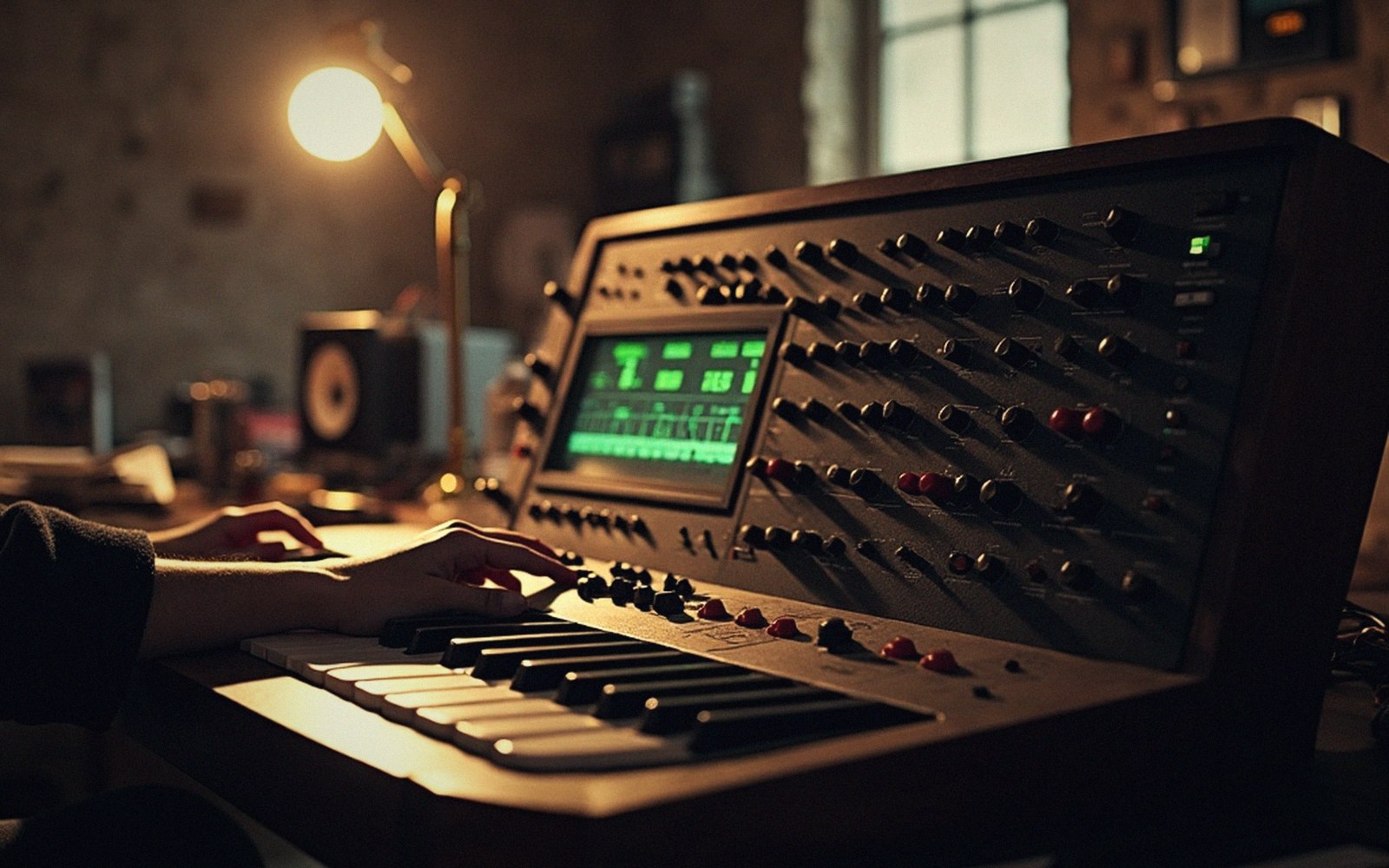
The stone room whose ambience, through a reverse-talkback compressor, produced gated reverb more or less by accident.
Photograph supplied to Lexicon Magazine.
Conny Plank's studio and a drier, more mechanical European use of the same technology.
We say so rather than tidying it
| Claim | As it is usually told | What the record actually supports |
|---|---|---|
| Who invented gated reverb | Hugh Padgham found it at Townhouse Studio 2, with the desk's compressed reverse-talkback path left open on a kit in the stone room. | Padgham has described it in those terms, and the room and the desk are documented. Engineers working in other London rooms have described arriving at compressed room mics and hard cut-offs independently. Both accounts stand; this magazine does not adjudicate. |
| The first sampled record | The Linn LM-1 put the first recorded drum sounds under a pop record, so the credit follows the machine. | The claim depends entirely on what counts as sampling. Overlapping sessions, unlisted keyboard and percussion credits and instruments circulating before general sale leave the first released instance genuinely unsettled. |
Both entries name the people involved and cite what is on the record. Neither invents a quotation, and neither picks a winner.
The Desk · reading a front panel
Almost every machine in this magazine is a rearrangement of those parts. Knowing which part does what is most of what separates one record's rhythm section from another's.
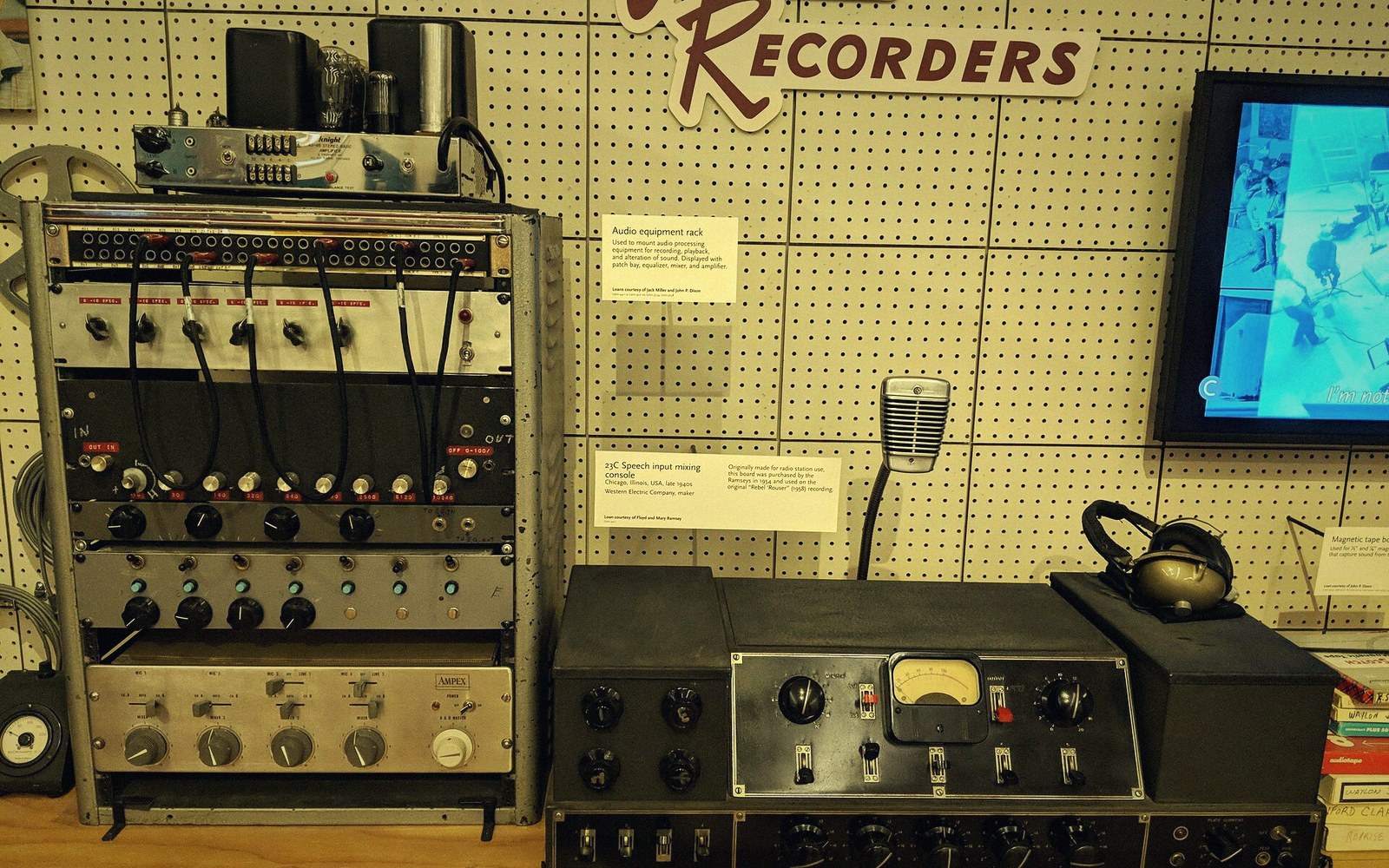
Photo: Western Electric 23C Speech input mixing console (1940s) purchased by Floyd Ramsey at Audio Recorders (studio) in 1954, & unknown recording studio rack - MIM Phoenix AZ (2017-12-04 14.04.59 by bobintraveling 140459) · Wikimedia Commons
Terms defined once, then used consistently across every entry
Studios, labels, and archivists whose gear sits close to ours.













Formats · how it was carried
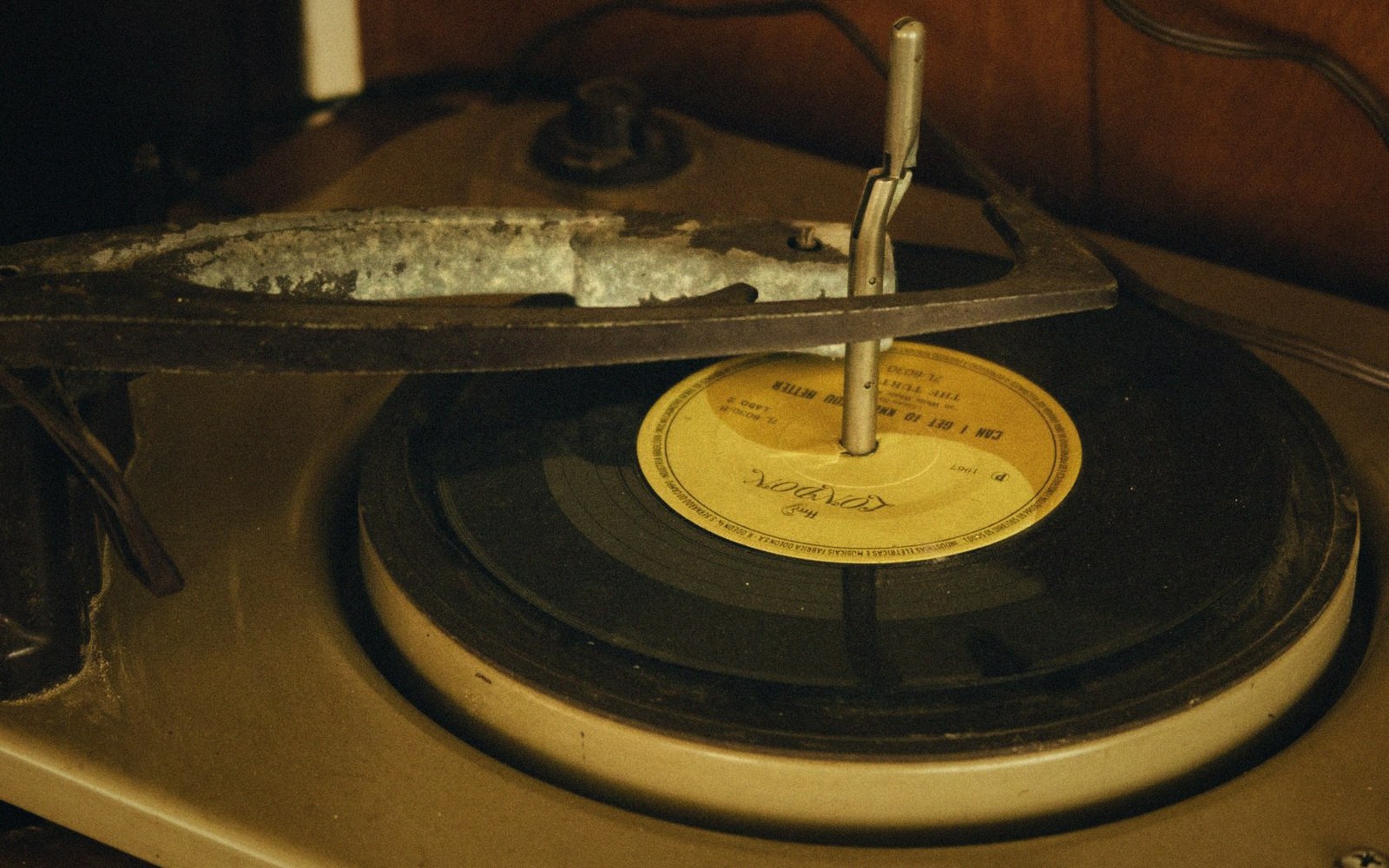
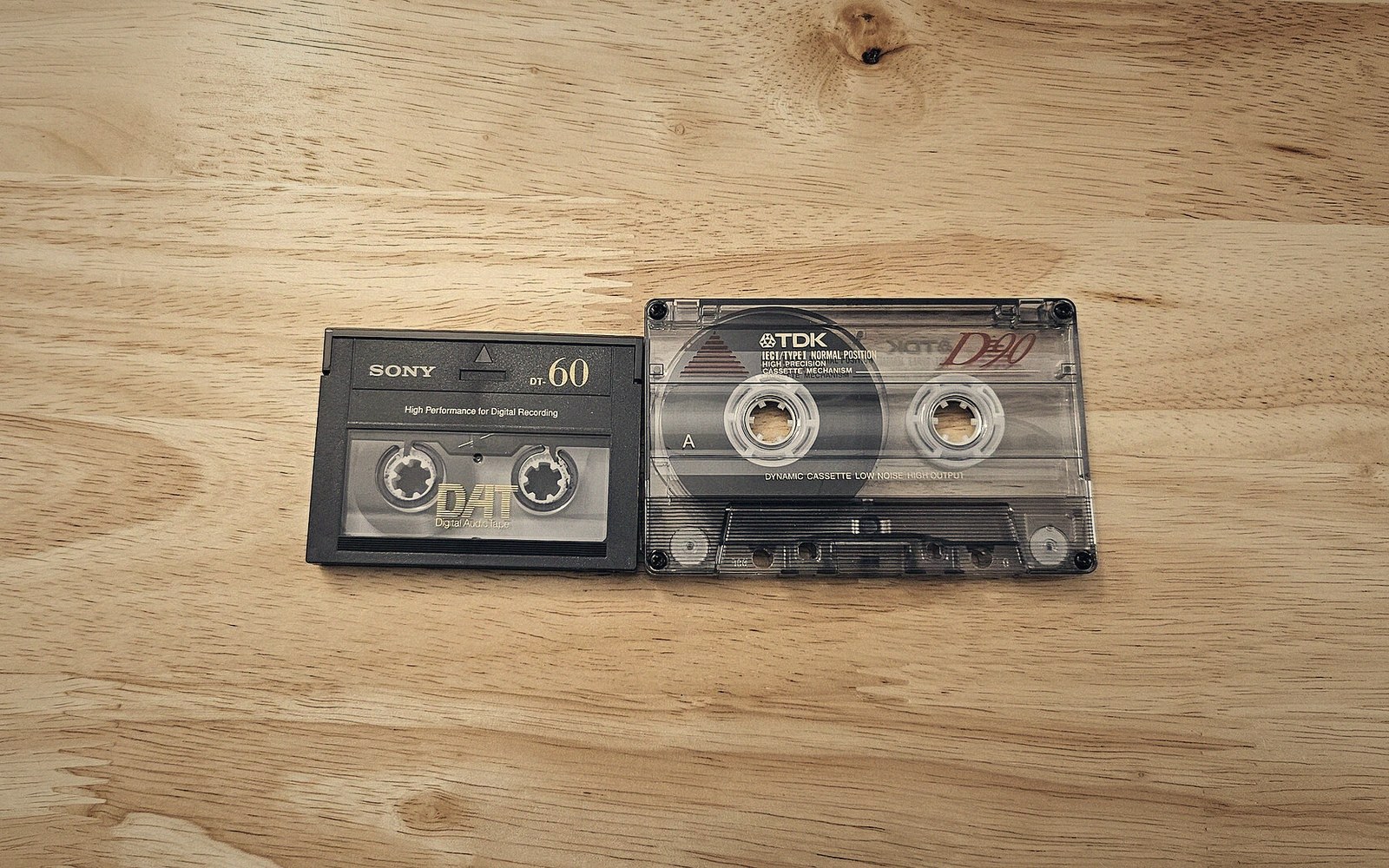
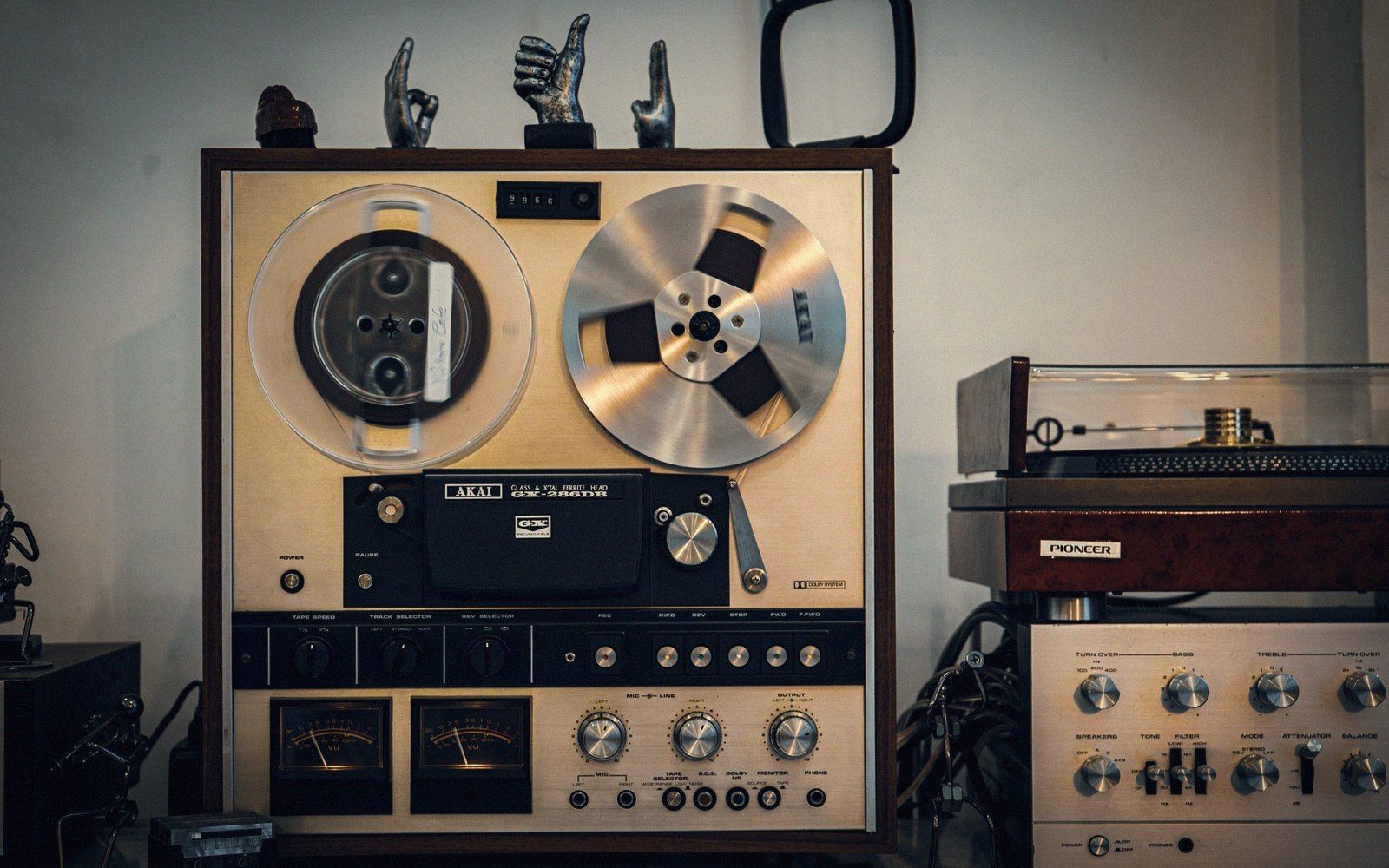
Editing as composition
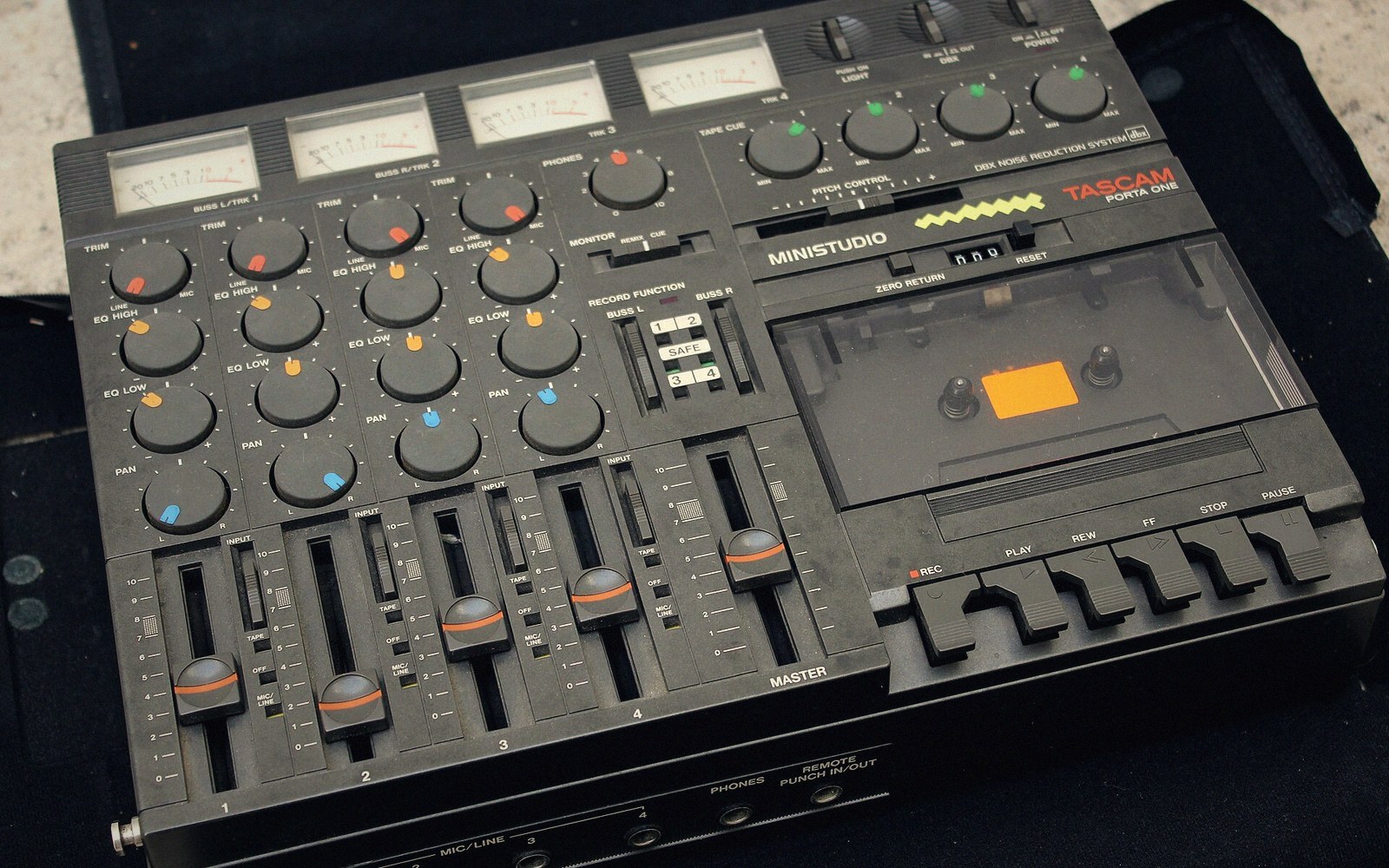
Photo: TASCAM Ministudio PortaOne - 4 track cassette tape recorder (c.1986) · Wikimedia Commons
What the label covered
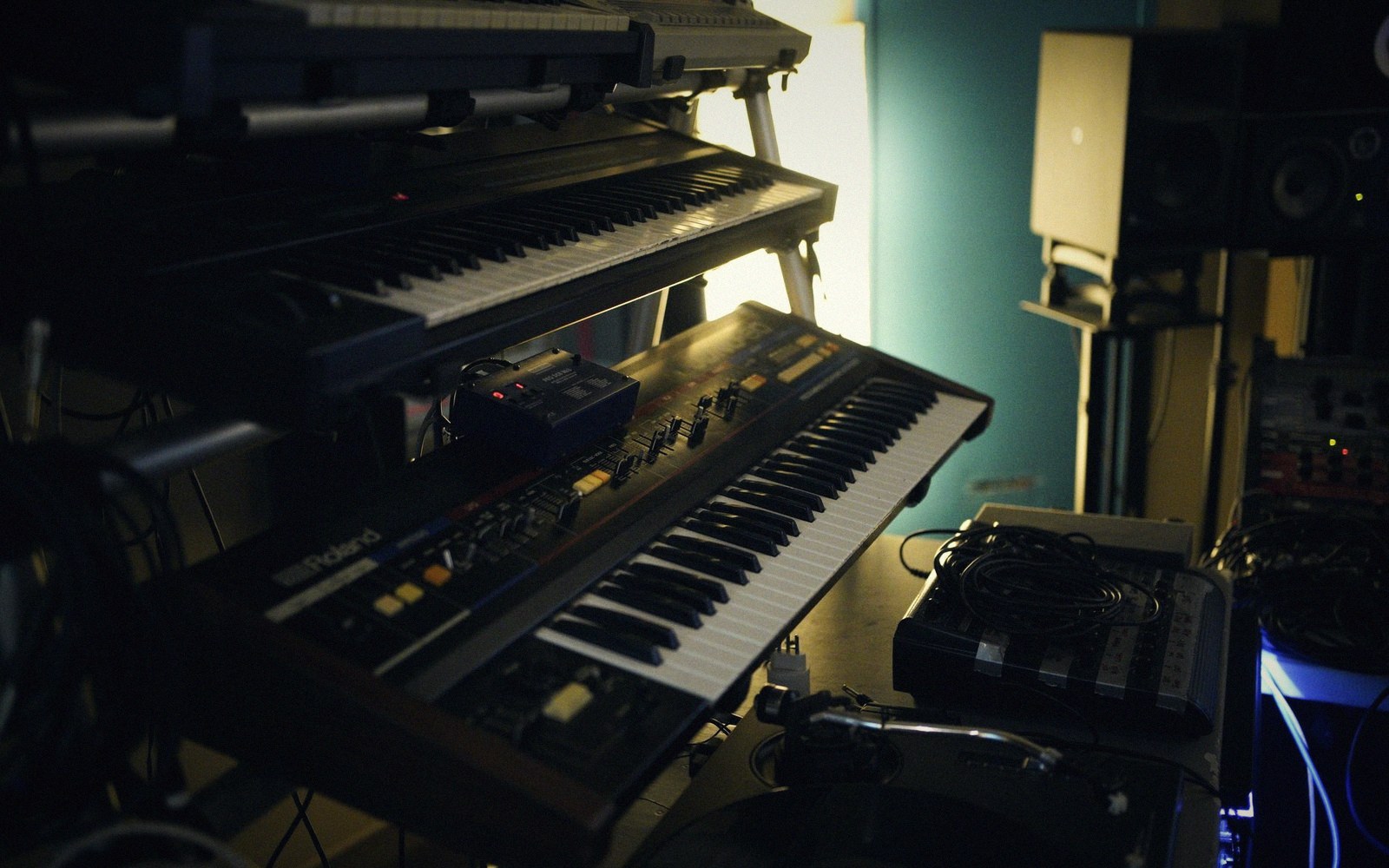
Photo: Giuseppe Di Maria / Pexels
The complete roster lives on the index, and every name in it on the register. This page is an edit, not a table of contents.
Coda
The instruments in these entries put one control on the panel for each thing they could do. That is the part that did not survive, and it is the reason the period is worth taking apart rather than reissuing.
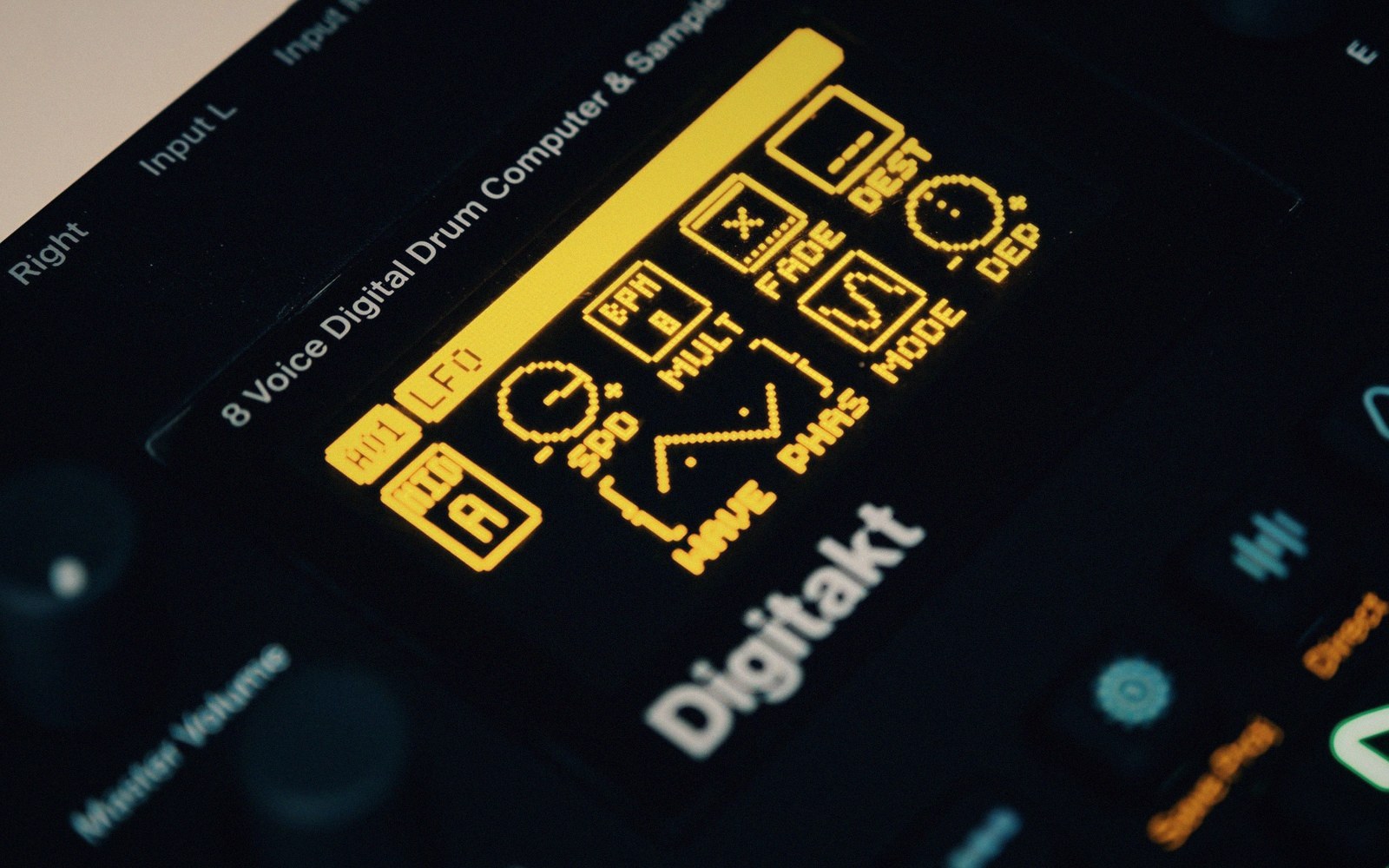
Photo: Egor Komarov / Pexels