Disputed / Entry 7.2
The First Sampled Record
A definition problem wearing a history problem's clothes
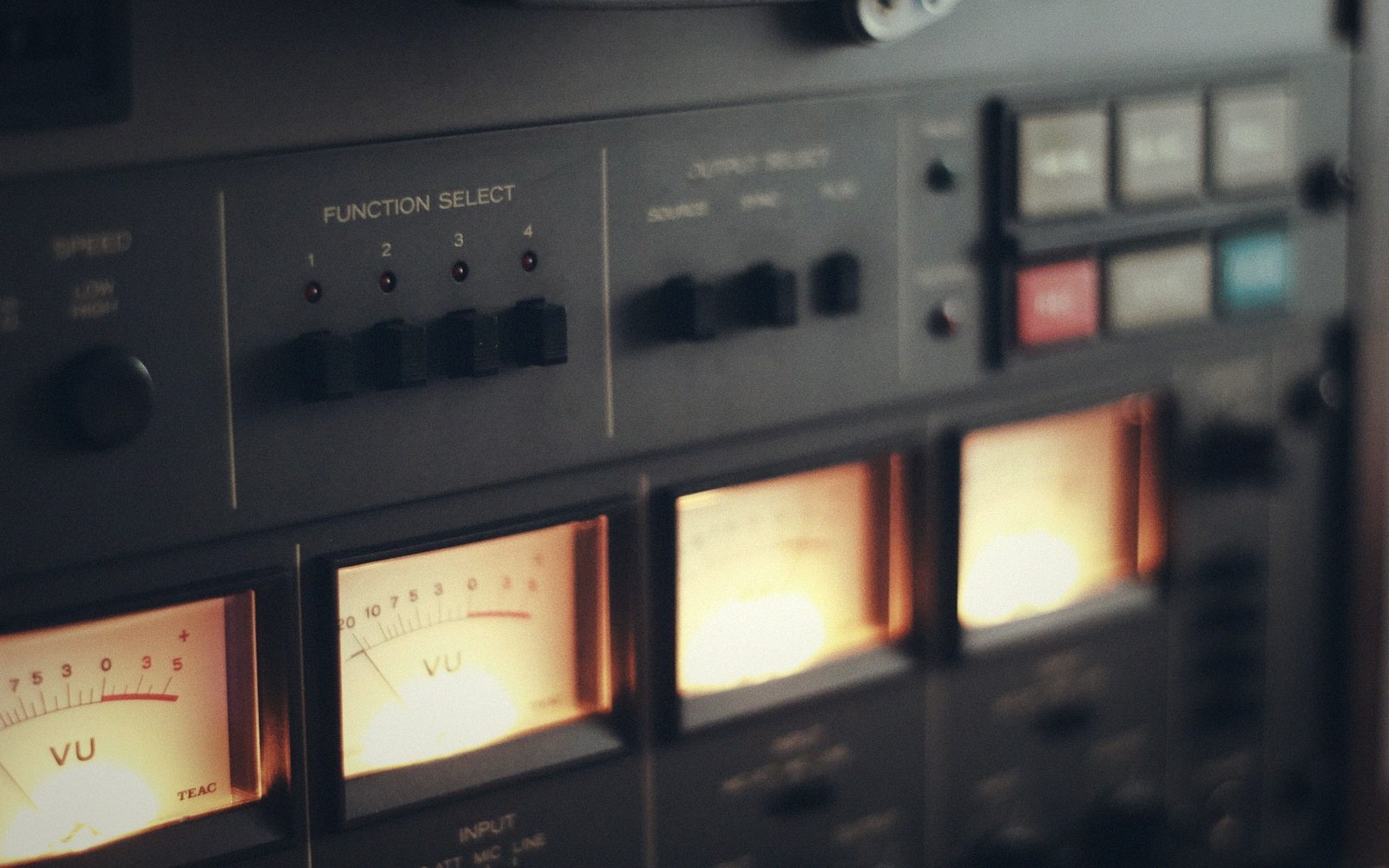
The answer changes depending on how you define the question.
Every few years someone nominates a new candidate for the first sampled record, and every time the debate collapses back into the same disagreement: what exactly counts as sampling? If it means looping a recorded fragment and building a composition around it, the Mellotron — which played back tape strips of real orchestral instruments when you pressed a key — was doing something in that neighbourhood as early as the mid-1960s.
If it requires a digital memory that stores and retrieves a discrete audio event, the Fairlight CMI and the New England Digital Synclavier push the conversation into the late 1970s. If the criterion is a commercially released record that a mainstream listener would recognise as using a sample, the conversation moves forward again to the early 1980s.
The Fairlight CMI, developed in Australia by Peter Vogel and Kim Ryrie and in regular use by 1979, could record any sound into digital memory and replay it at pitch across a keyboard. Peter Gabriel used one on his third self-titled album in 1980, produced with Steve Lillywhite at Townhouse Studios in London.
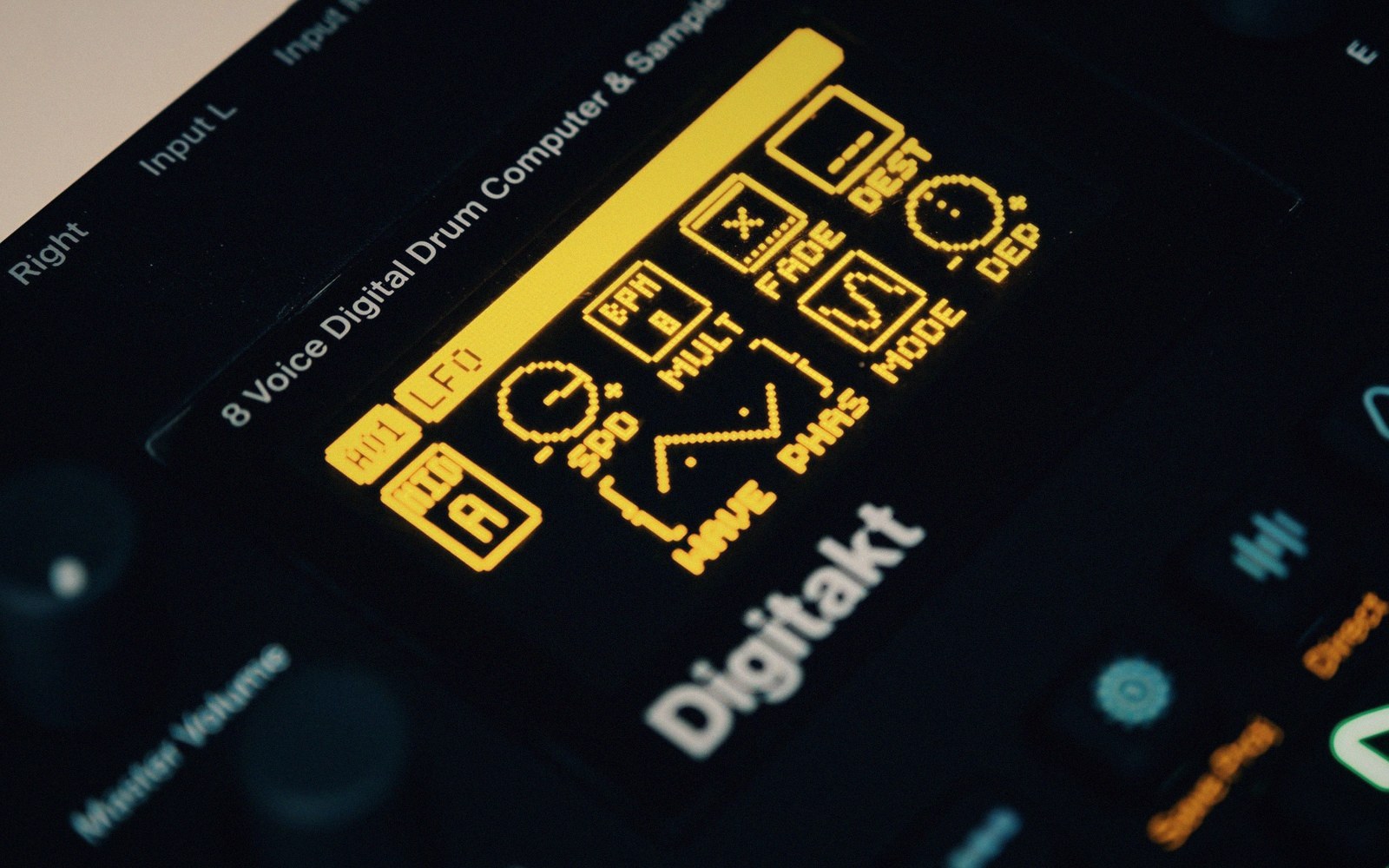
Photo: Egor Komarov / Pexels
Kate Bush was also experimenting with the instrument around the same time, on Never for Ever (1980). Neither record is typically called the first sampled record, because the Fairlight was used there as a textural instrument rather than as a device that lifted and replayed recognisable fragments of other recordings.
That narrower sense — taking a piece of someone else's record and using it — points toward hip-hop, where producers working from the late 1970s onward used turntables and eventually samplers to build tracks from prior recordings.
Exactly which track is first depends on whether you count the DJ performance itself, or only a fixed studio recording. The records made with the Linn Electronics LM-1 used real sampled drum sounds, but those were proprietary to the machine — not lifted from other records.
The honest answer is that sampling emerged from several converging practices simultaneously: Mellotron tape loops, digital instrument design, and DJ culture developed independently, then collapsed into a single technique. Naming a first requires choosing which branch of that tree you want to climb, and the choice usually tells you more about the person choosing than about the history.
Continue in Disputed
Same section, next entry
Related elsewhere in the magazine
Named in this entry
Every name above is real and appears here for documented work only. Where an origin story is contested this magazine says so rather than choosing the tidy version.