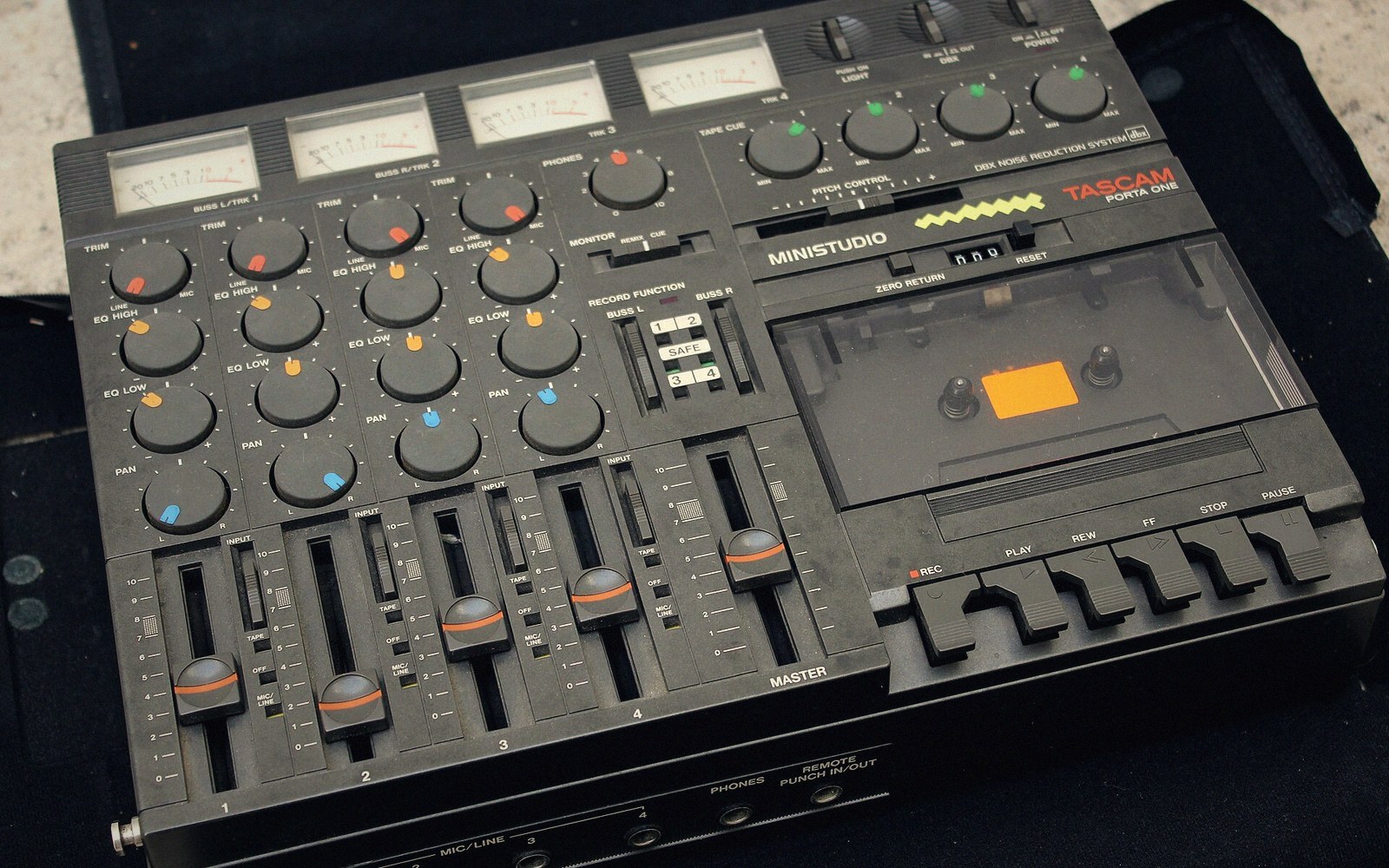
Twenty-four tracks change what an arrangement can be — and what a producer can afford to ask for.
Before multitrack tape, a recording was a performance: everyone played, the engineer balanced them, and the result was a single pass to a mono or stereo master. Overdubbing existed in primitive form — Les Paul was stacking guitar parts on disc by the late 1940s — but the real shift came when Ampex and then Studer began threading wider stock through machines that could address individual tracks independently.
Eight tracks became sixteen; sixteen became twenty-four; and for most of the new wave era, twenty-four-track two-inch tape running at thirty inches per second was the professional standard.
What that meant in practice was that an arrangement could be built in layers across a timeline rather than assembled in real time by musicians in a room. A producer could commit a Roland TR-808 to two tracks on a Tuesday and not decide what the bass would do until Thursday.
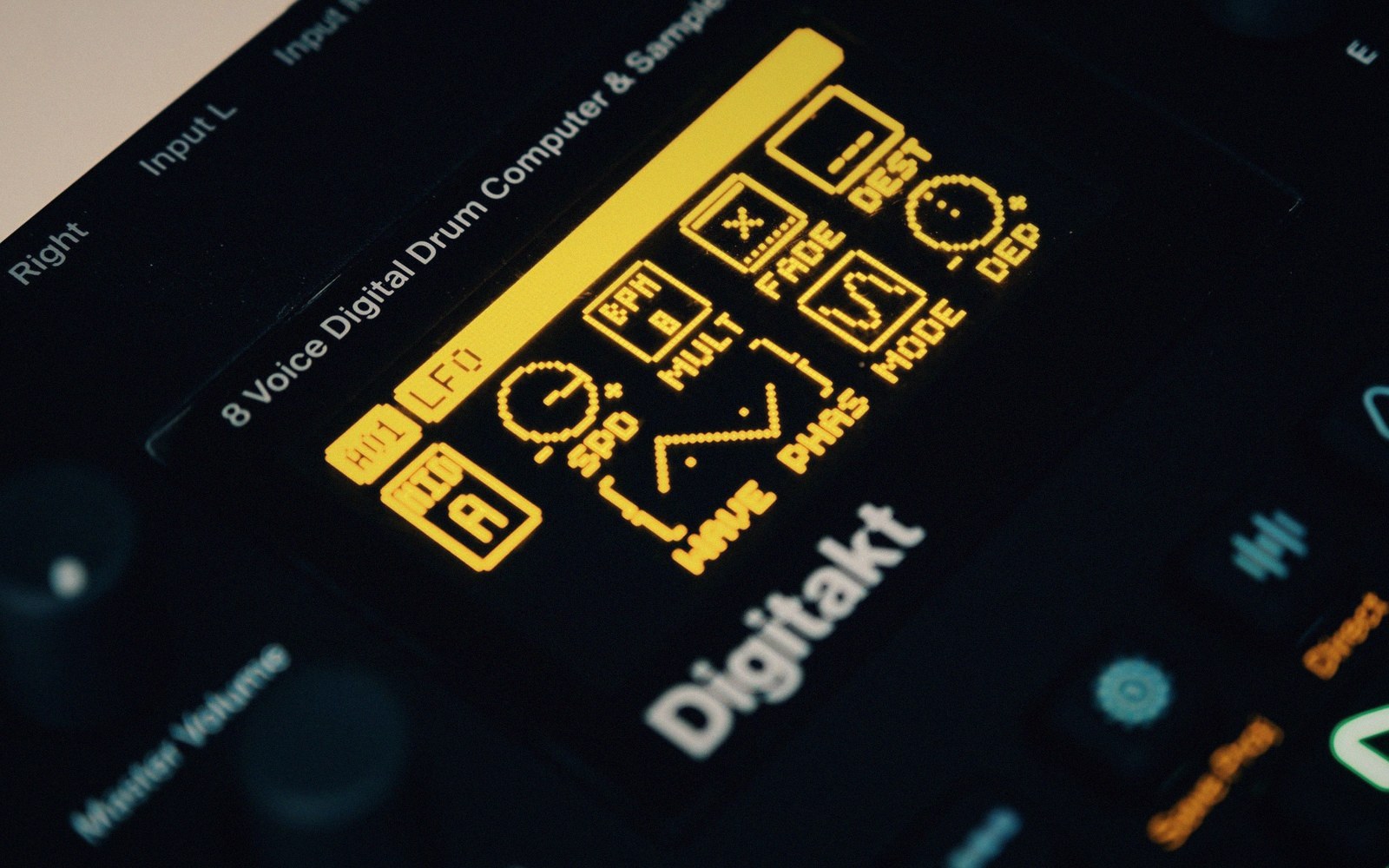
Photo: Egor Komarov / Pexels
Martin Rushent assembled Dare for the Human League in exactly this mode — the sequencer parts laid first, the vocal last, the whole thing engineered as architecture rather than performance. The arrangement existed on tape before any two players had shared a room.
The cost followed directly. Twenty-four-track time at a residential facility in London ran to serious money per day by the early eighties, and that figure climbed with tape stock itself. Two-inch tape was expensive, oxide-heavy and unforgiving of repeated shuttling over the same section.
Studios like the Townhouse on Goldhawk Road charged rates that made the session count. Engineers learned to punch in and out with surgical precision, because a bad punch left an audible edit point burned into the oxide. Physical splicing — razor blade, chinagraph pencil, sticky leader — was the only way to move a section.
Before multitrack tape, a recording was a performance: everyone played, the engineer balanced them, and the result was a single pass to a mono or stereo master.
The track count also changed the desk. A twenty-four-track session needed a console big enough to receive all twenty-four returns plus outboard, and the SSL 4000 series, which spread through London and New York studios across the eighties, was built around exactly that assumption. Channel counts pushed desk sizes up; desk sizes pushed room sizes up; room sizes pushed day rates up. The infrastructure of the multitrack era shaped what a new wave record cost as directly as it shaped what one sounded like.
What you hear on those records — the layered synths, the dry room, the immaculate punch-in — is inseparable from the format that stored it.
Continue in Tape
Same section, next entry
Related elsewhere in the magazine
Named in this entry
Every name above is real and appears here for documented work only. Where an origin story is contested this magazine says so rather than choosing the tidy version.