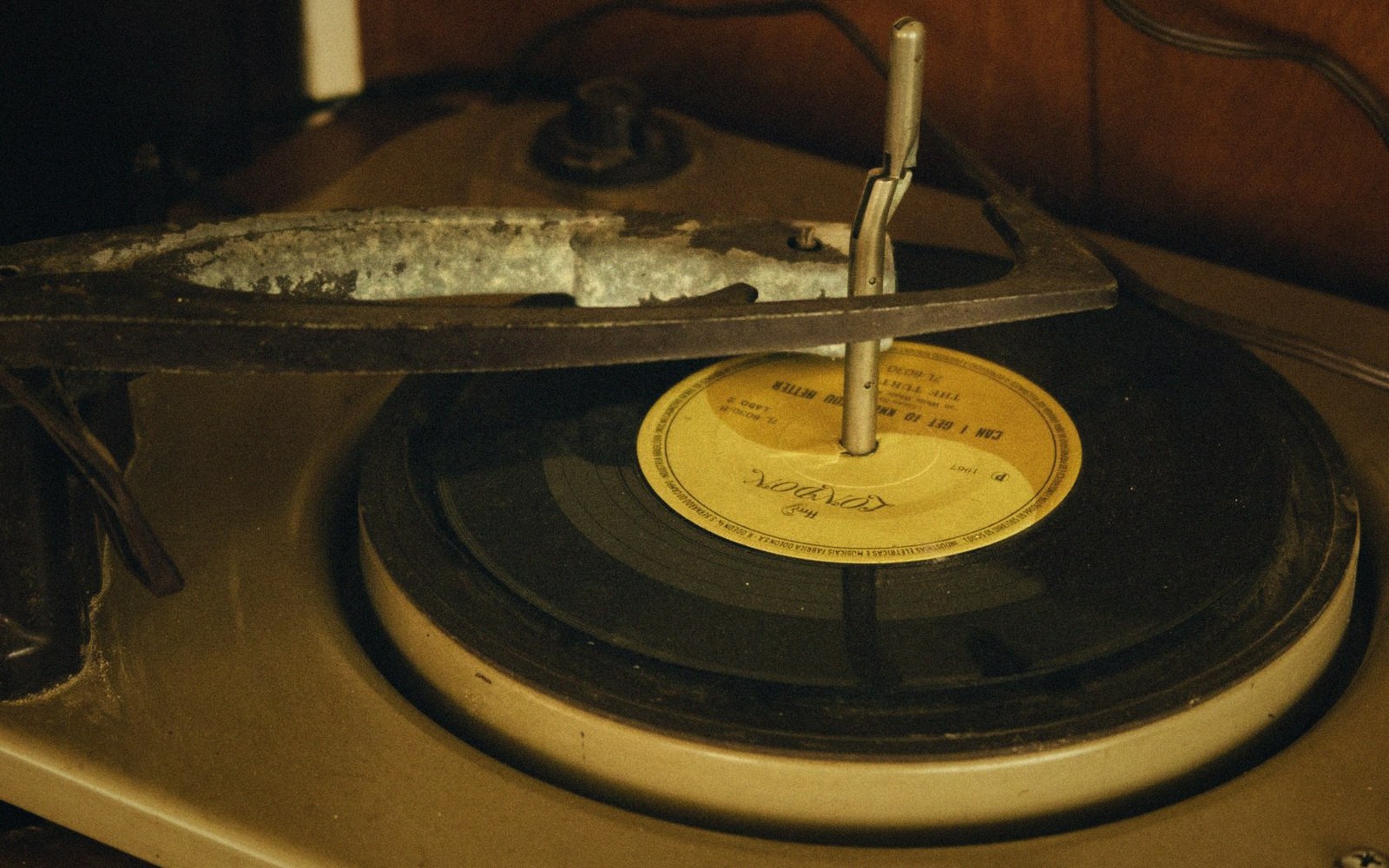
Cut louder, pressed wider: how a format decision invented the extended mix
The physics are simple enough. A twelve-inch single cut at 45 rpm carries the same music as a seven-inch but on a disc with roughly three times the surface area. That extra real estate lets the cutting engineer space the grooves further apart, which allows a deeper, louder cut — particularly in the bass frequencies, where groove excursion is greatest and the risk of adjacent grooves colliding (a condition called groove break-through (overcutting)) is most acute.
On a seven-inch, bass is often rolled off or cut to mono in mastering to keep the grooves from merging. On a twelve-inch at 45 rpm, the engineer can restore what was trimmed and push the overall level several dB higher. The result is a record that sounds physically bigger on a sound system — more headroom, more low end, more presence.
That distinction mattered enormously in the specific ecology where the twelve-inch first found its audience: the New York club circuit of the mid-1970s, where DJs like Tom Moulton were already extending tracks by editing tape reels to create longer, more mixable versions.
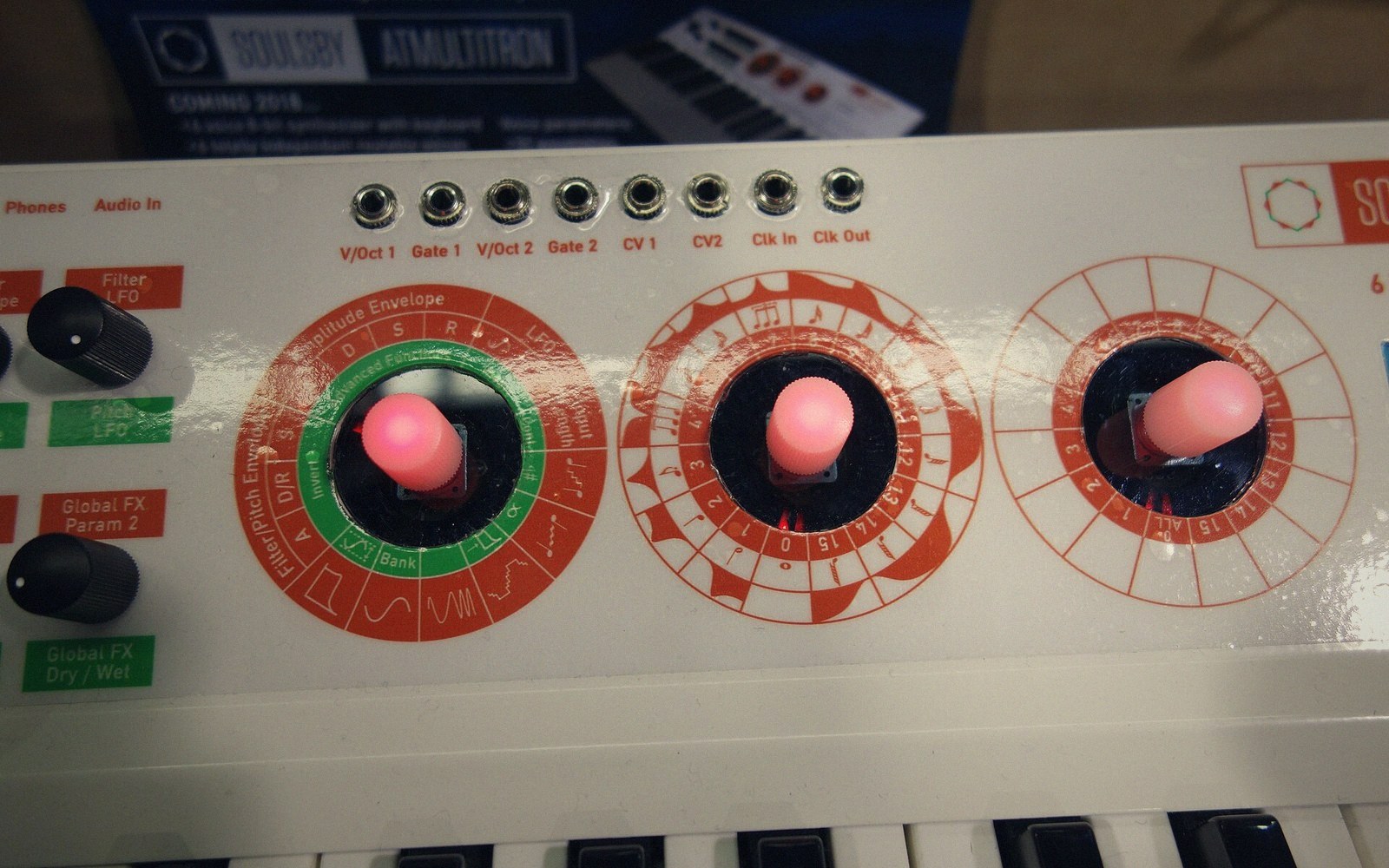
Photo: Soulsby Atmultitron - 6 Voice 8-bit Synthesizer - panel middle - 2017 NAMM Show (2017-01-21 17.39.56 by Pete Brown @ Flickr 32432577146) · Wikimedia Commons
When the twelve-inch single became a commercial pressing format — early key releases appearing on labels including Salsoul and West End — it fused those two ideas. The format itself demanded a longer version, because a two-minute pop single cut wide at 45 rpm would simply be a waste of disc. The extended mix wasn't an artistic gesture; it was an answer to a format question.
The Studio Consequences
By the early 1980s the twelve-inch had crossed from disco into the new wave and post-punk world, and the extended mix became a production form in its own right. The extra playing time created space for intros built from sequencer patterns — the kind of locked, repeating structures that multitrack tape and early sync boxes made possible — and for breakdowns that stripped a track to its drum machine and bass before rebuilding it.
Producers began cutting material specifically for twelve-inch release that would never fit on the seven-inch A-side: additional percussion elements, synth pad layers, spoken passages, dub-influenced drops. The format licensed experimentation in a way the radio edit couldn't.
The mastering stage was its own discipline. Engineers like Bob Clearmountain, who mixed numerous records at the Power Station in New York, understood that the wider groove spacing changed how the listener heard dynamics.
A snare hit that sounded punchy on a seven-inch could translate as explosive on a properly cut twelve-inch; the gated reverb sound emerging from studios like Townhouse in London was, in part, so well suited to the format because its sharp transient and abrupt tail reproduced cleanly at high cutting levels.
The drum machine — whether a Linn LM-1 or a Roland TR-808 — produced consistent, predictable transients that mastering engineers could cut reliably loud without clipping.
Neither caused the other, but together they defined what a lot of new wave and early electronic pop actually sounded like on the dancefloor, which is where most of it was first heard.
Vinyl formulation mattered too. Heavier pressings — 180-gram or close variants — reduced the flex that caused distortion on bass-heavy passages, though pressing quality varied considerably across manufacturers. Virgin Records, among UK labels, developed a reputation in this period for attending carefully to twelve-inch production values, recognising that the format was marketing as much as music: a high-quality pressing in a full-colour sleeve was a different commercial object from a seven-inch in a paper bag.
Format as Creative Constraint
What the twelve-inch demonstrates is how format decisions propagate backward into the recording process. Once DJs and producers understood that a disc could be cut louder and longer, they began composing for those properties — building intros designed for mixing, structuring tracks around the breakdown, treating the first two minutes as a separate artefact from the radio version.
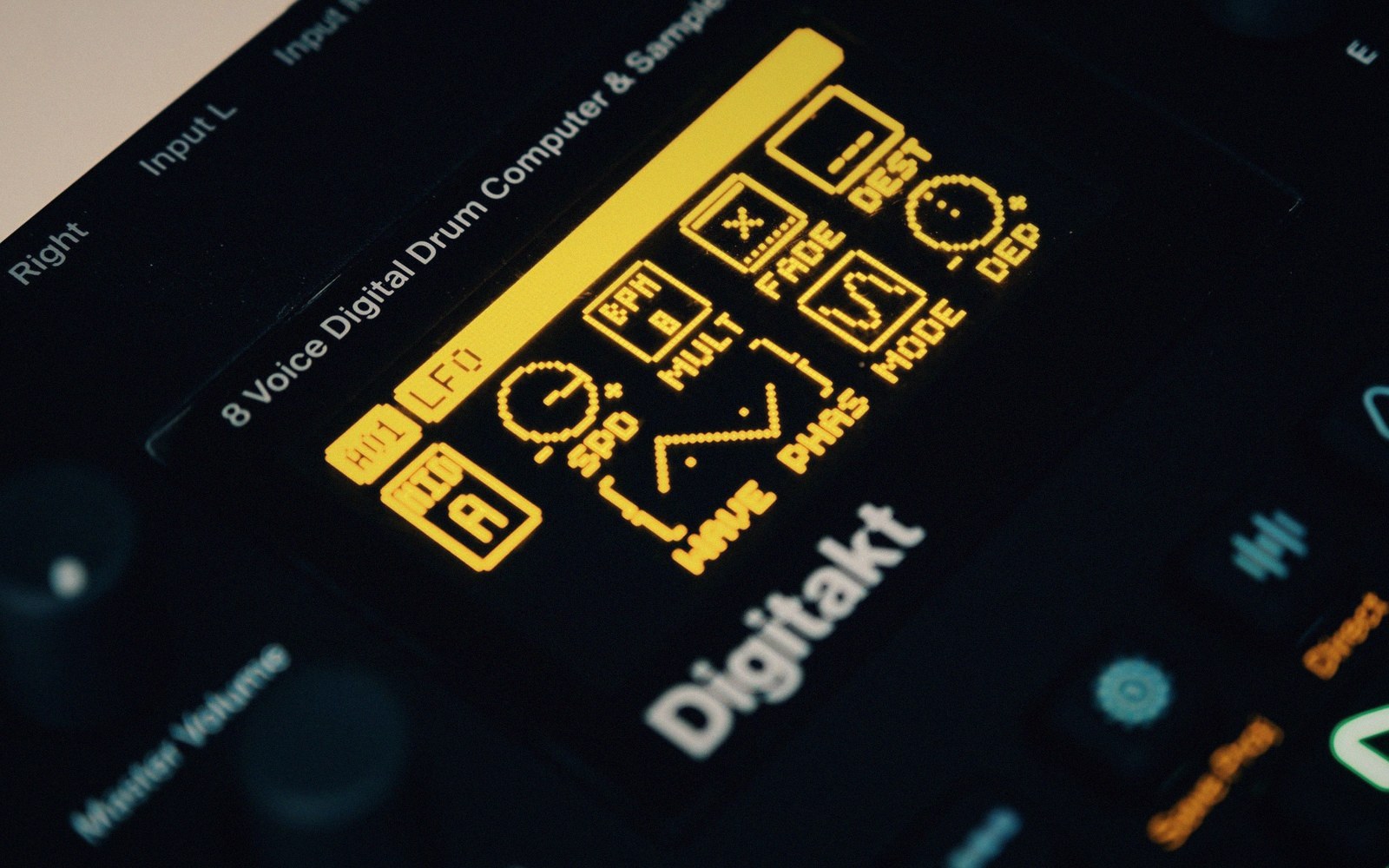
Photo: Egor Komarov / Pexels
The sequencer made the repetitive architecture of extended mixes practical to build; the format made them profitable to release. Neither caused the other, but together they defined what a lot of new wave and early electronic pop actually sounded like on the dancefloor, which is where most of it was first heard.
The seven-inch single remains the song. The twelve-inch is the song as a room you walk around in.
Continue in Formats
Same section, next entry
Related elsewhere in the magazine
Named in this entry
Every name above is real and appears here for documented work only. Where an origin story is contested this magazine says so rather than choosing the tidy version.