The accident in Studio 2 has at least three people claiming partial credit — and the tapes cannot settle it.
Sometime in the late 1970s, at Townhouse Studios in London, a sound emerged that would define the sonic texture of the following decade. A large live room, a compressor used in reverse-talkback mode, a noise gate, and a reverberant snare hit combined into the now-iconic effect: an enormous crack of room ambience that cuts to silence. What is contested is who, exactly, understood what was happening and decided to use it.
Hugh Padgham, the engineer at Townhouse at the time, is most often cited in subsequent accounts. Working on a Peter Gabriel session that became Peter Gabriel III (released 1980, the "Melt" album), Padgham was running sound through the studio's SSL desk and routing the room microphones through a compressor and a noise gate.
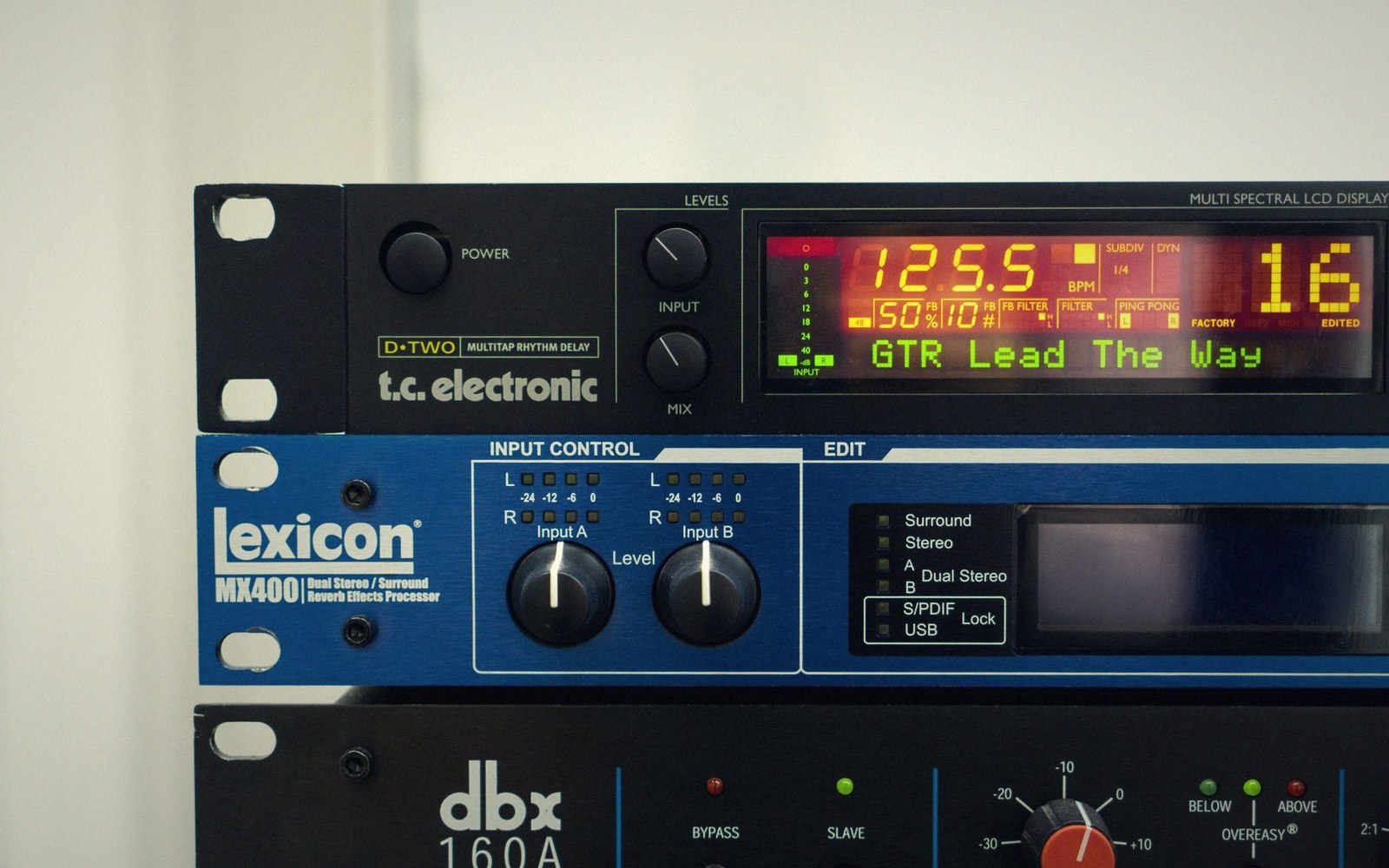
The gate truncates the natural reverb tail — what should bloom and decay is simply switched off — producing a sound that is simultaneously vast and brutal. Padgham has consistently described the moment as partly accidental: the console's reverse talkback compressor, intended for communication, was left in the signal path.
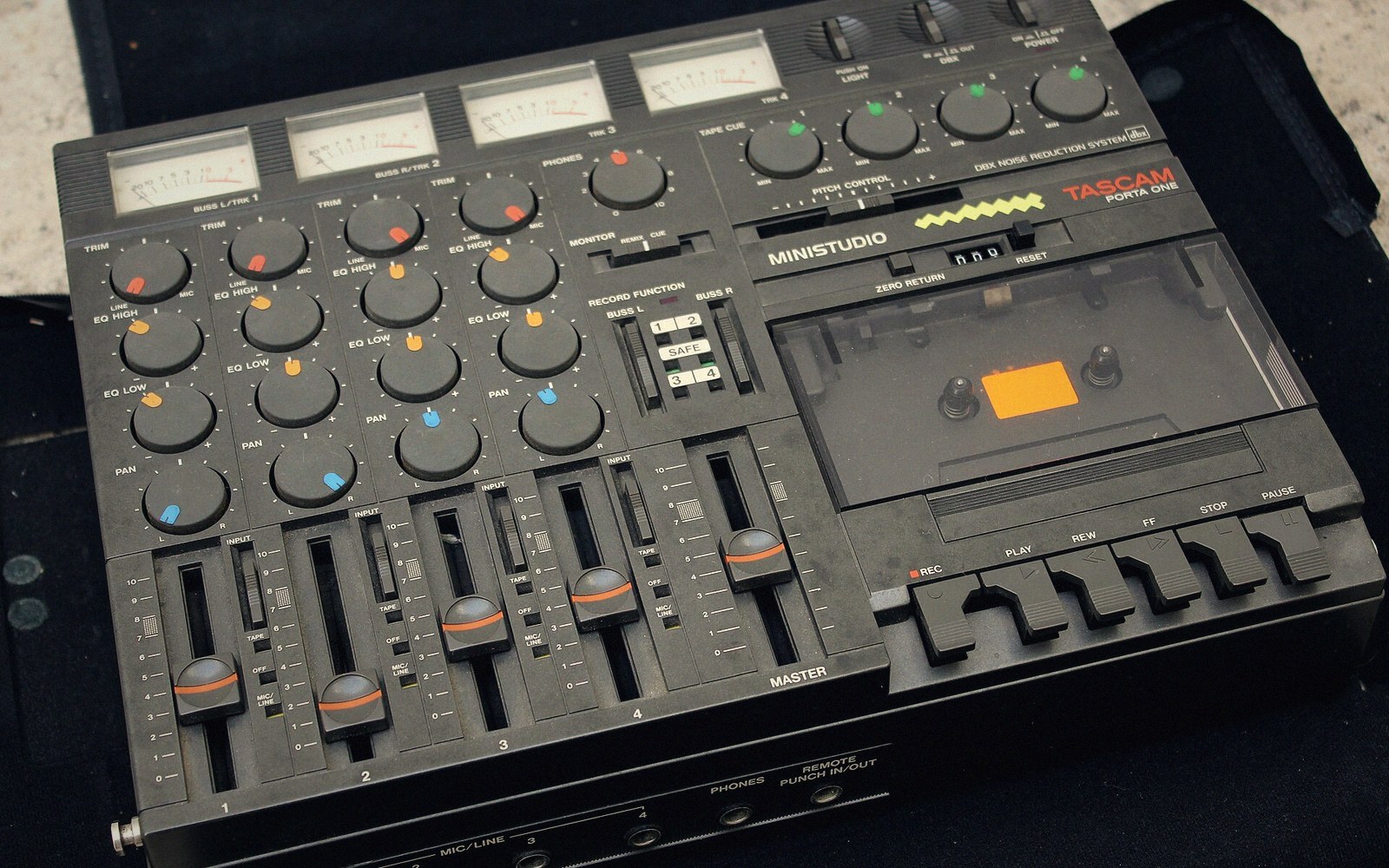
Photo: TASCAM Ministudio PortaOne - 4 track cassette tape recorder (c.1986) · Wikimedia Commons
Phil Collins was the drummer on those sessions. He has his own version of events, emphasizing his role in recognizing the sound's potential and pushing to keep it. Collins subsequently used the effect on his 1981 solo single In the Air Tonight, which became probably the most-heard example of gated reverb in the entire pop canon. The question of whether Collins was a discoverer or an enthusiast is precisely where the accounts diverge.
Peter Gabriel's position in the origin story is less publicly argued, but he was the artist directing the sessions, and his own subsequent work — including Security (1982), also engineered by Padgham — continued to exploit the same sonic territory. Three people were present, all with legitimate claims to some portion of the idea.
Why the Dispute Cannot Be Cleanly Resolved
This kind of contested credit is endemic to the studio rather than exceptional to it. Gated reverb as an effect requires a chain of decisions — room selection, microphone placement, compression ratio, gate threshold and release time — and different people in a session control different links of that chain. Attribution collapses the process into a single inventor, which is almost never accurate.
The SSL 4000, the desk at the center of the Townhouse sessions, was itself a relatively new piece of equipment at that point, and engineers were still learning its routing capabilities.
The reverse talkback compressor — a circuit designed to duck the control room monitors when the engineer spoke to the studio — had characteristics that, inserted into a drum-room path, produced exactly the kind of extreme gain that made the gate's snap so dramatic. Whether that routing was deliberate experimentation, a wiring error, or a happy misread of the manual is genuinely unclear, and the people present do not tell the same story.
It is also worth noting that noise gates applied to reverb were not conceptually new in 1979.
The SSL 4000, the desk at the center of the Townhouse sessions, was itself a relatively new piece of equipment at that point, and engineers were still learning its routing capabilities.
Other engineers had experimented with gating room sounds; what Townhouse Studio 2 contributed was partly a specific room (large, live, with a characteristic ambience), a specific console circuit, and a context — a major-label pop session with a drummer of Collins's power — in which the sound could be fully realized and then propagated across dozens of subsequent records. The room and the desk mattered as much as any individual decision.
The honest answer is that Padgham gets the most citations, Collins brought it to the widest audience, and Gabriel's sessions were the laboratory. Invention, in this case, is the wrong word for what was a collaborative accident, recognised at different moments by different people.
Continue in Disputed
Same section, next entry
Related elsewhere in the magazine
Named in this entry
Every name above is real and appears here for documented work only. Where an origin story is contested this magazine says so rather than choosing the tidy version.