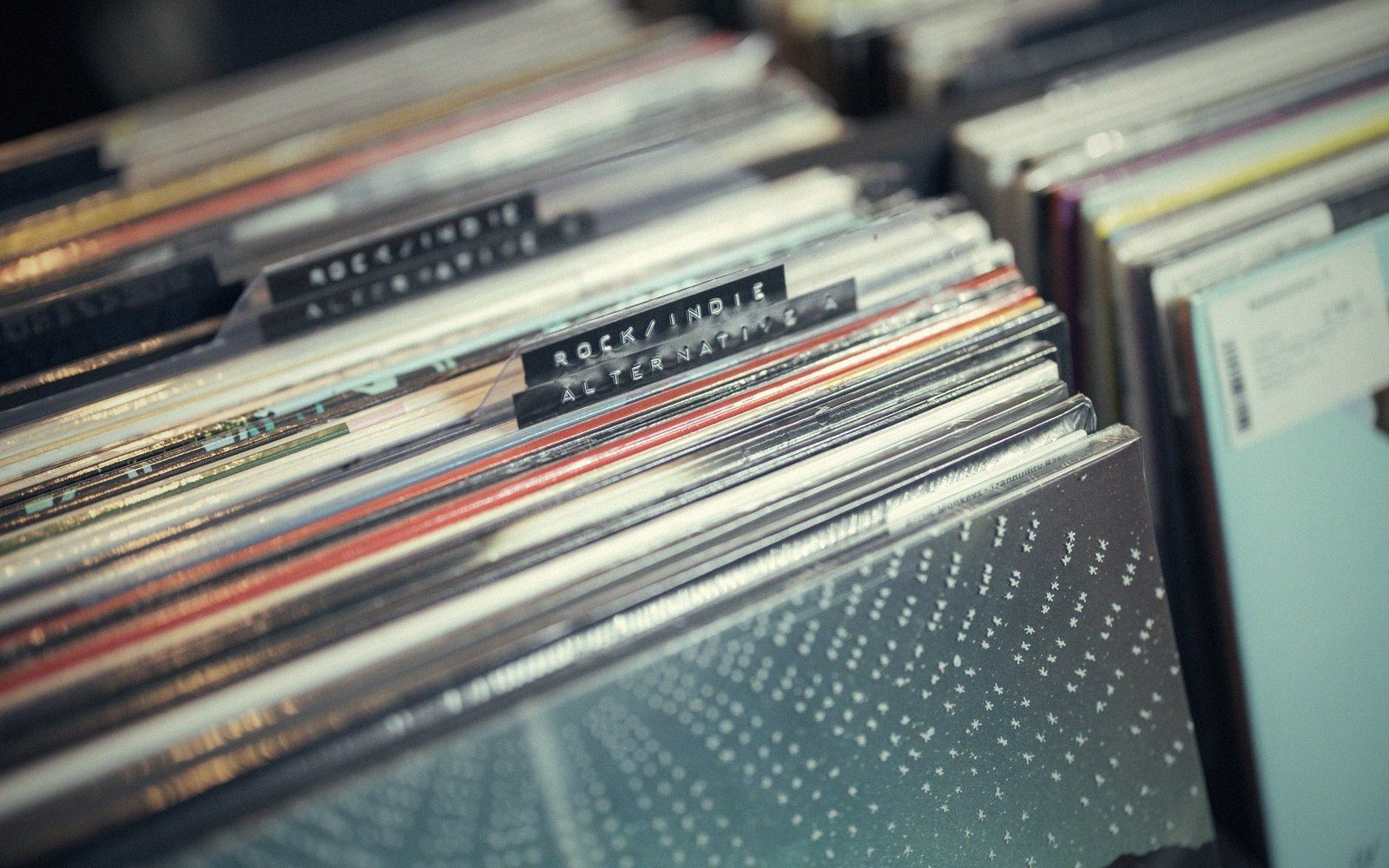
New wave was a marketing category before it was a sound — and the bands sheltering under it had almost nothing in common except a date and a record deal.
When "new wave" entered British and American music press in the late 1970s, it was a convenience, not a description. Punk had frightened radio programmers and retail buyers. The major and independent labels needed something to sell the energy of that moment without the word punk on the sticker.
New wave was the solution: it kept the urgency, shed the safety-pin connotations, and applied equally to a Sheffield synth duo, a Düsseldorf-influenced electronic act and a power-pop band from Los Angeles who had nothing in common with either.
The result was a category so wide it described almost nothing. At one edge sat groups who recorded almost entirely with sequencers, gate-processed drums and polysynths — for whom the studio itself was the primary instrument. At the other edge sat guitar bands who might have been filed under pub rock a year earlier and had been repackaged by a label keen to move units to a post-punk audience. Both appeared on the same year-end lists, both got the same section in the record shop.
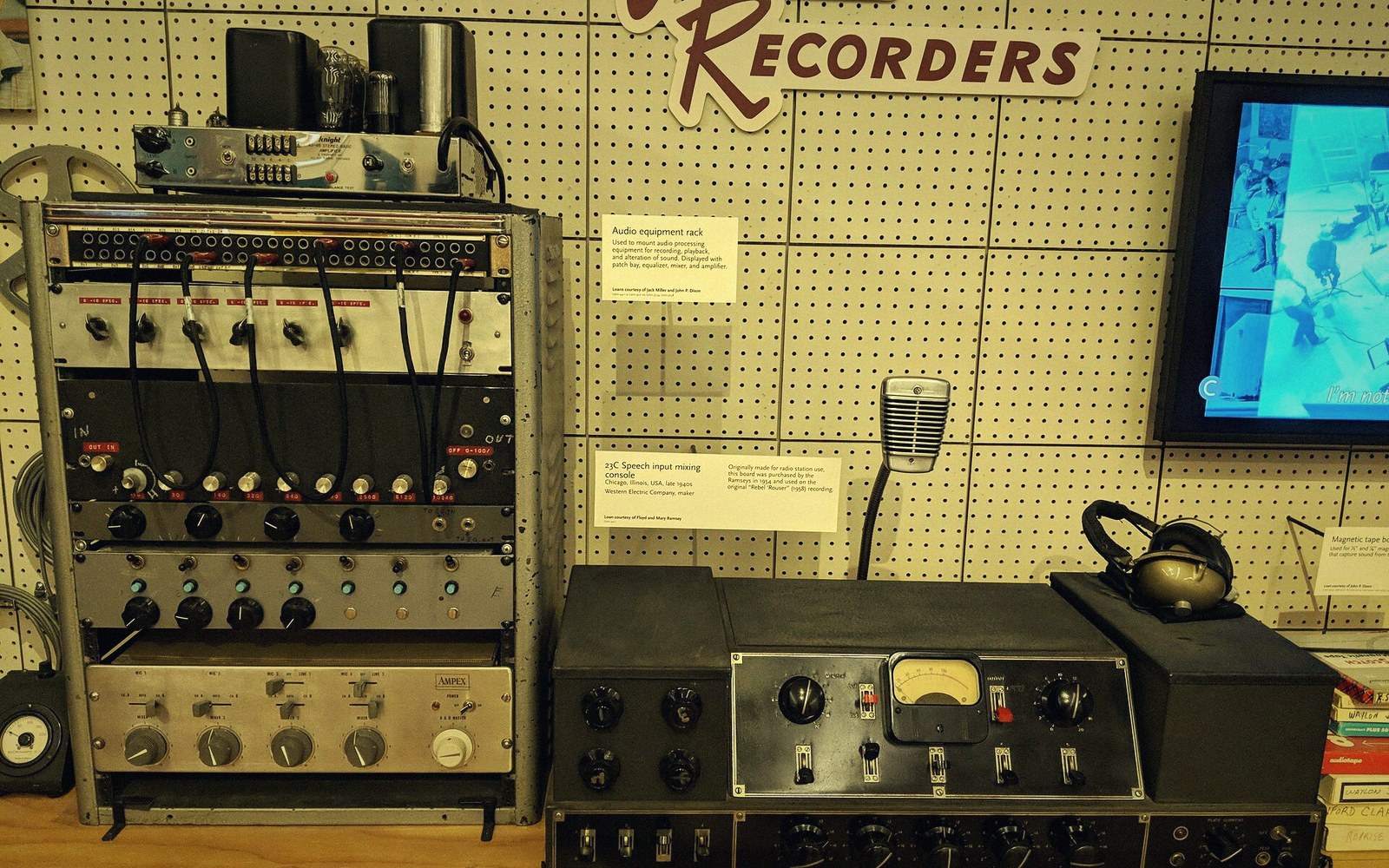
Photo: Western Electric 23C Speech input mixing console (1940s) purchased by Floyd Ramsey at Audio Recorders (studio) in 1954, & unknown recording studio rack - MIM Phoenix AZ (2017-12-04 14.04.59 by bobintraveling 140459) · Wikimedia Commons
What Was Actually Different
The more useful distinction is not the label but the methodology. Some acts made records that could not have existed without specific machines and rooms. The Linn LM-1 cost more than most bands earned; the handful of productions that feature it sound like the machine as much as the player.
The Prophet-5 introduced patch memory — the ability to store and recall a sound exactly — which meant a keyboard part could be replicated at every session, on every night of a tour, without hunting for the patch by ear. That single capability changed the relationship between composition and performance. Bands writing for those instruments were writing in a different way: the patch was part of the song.
Martin Rushent's work with The Human League at his Genetic Sound studio is a documented case of this production methodology. The sessions that produced Dare in 1981 used sequencer lock to align synthesiser parts to tape; the arrangement was constructed at the desk from pieces rather than performed into a room.
That process has more in common with the editing decisions at Conny Plank's Cologne studio than it does with anything tracked live in a rehearsal space. The geography — Sheffield, Cologne, London — told you less than the machine inventory.
Meanwhile, Hugh Padgham's room at Townhouse Studios in London became, through a specific accident with a reverse-talkback compressor, the origin point of gated reverb: a processed drum sound so particular to a moment and a room that it became a genre signifier in itself, applied to records made by artists with very different intentions. Gated reverb flattened those differences at the surface. Everything that carried that snare sound — synthetic or organic, sequenced or live — got shelved together.
Marketing as Archaeology
This matters because the label has shaped the history. If the records filed as new wave are studied as a genre, the methodology differences get averaged out. The acts who built arrangements from sequencer patterns and sampled components get treated as variations on the same theme as bands who tracked guitars in a live room and had an engineer add reverb in post. They are not the same thing, and the distinction is technical before it is aesthetic.
The studio equipment, the rooms and the producers are what tells the records apart — and those differences are still readable in the grooves, if you know what you're listening for.
What Virgin Records, Island and the American majors were actually selling was a demographic position: a record for someone who had noticed punk but wanted to buy albums. The sound inside that marketing envelope ranged from FM synthesis and cold drum machines to jangle-pop recorded in two days on twenty-four-track tape.
The label covered all of it. The studio equipment, the rooms and the producers are what tells the records apart — and those differences are still readable in the grooves, if you know what you're listening for.
Continue in The Wave
Same section, next entry
Related elsewhere in the magazine
Named in this entry
Every name above is real and appears here for documented work only. Where an origin story is contested this magazine says so rather than choosing the tidy version.