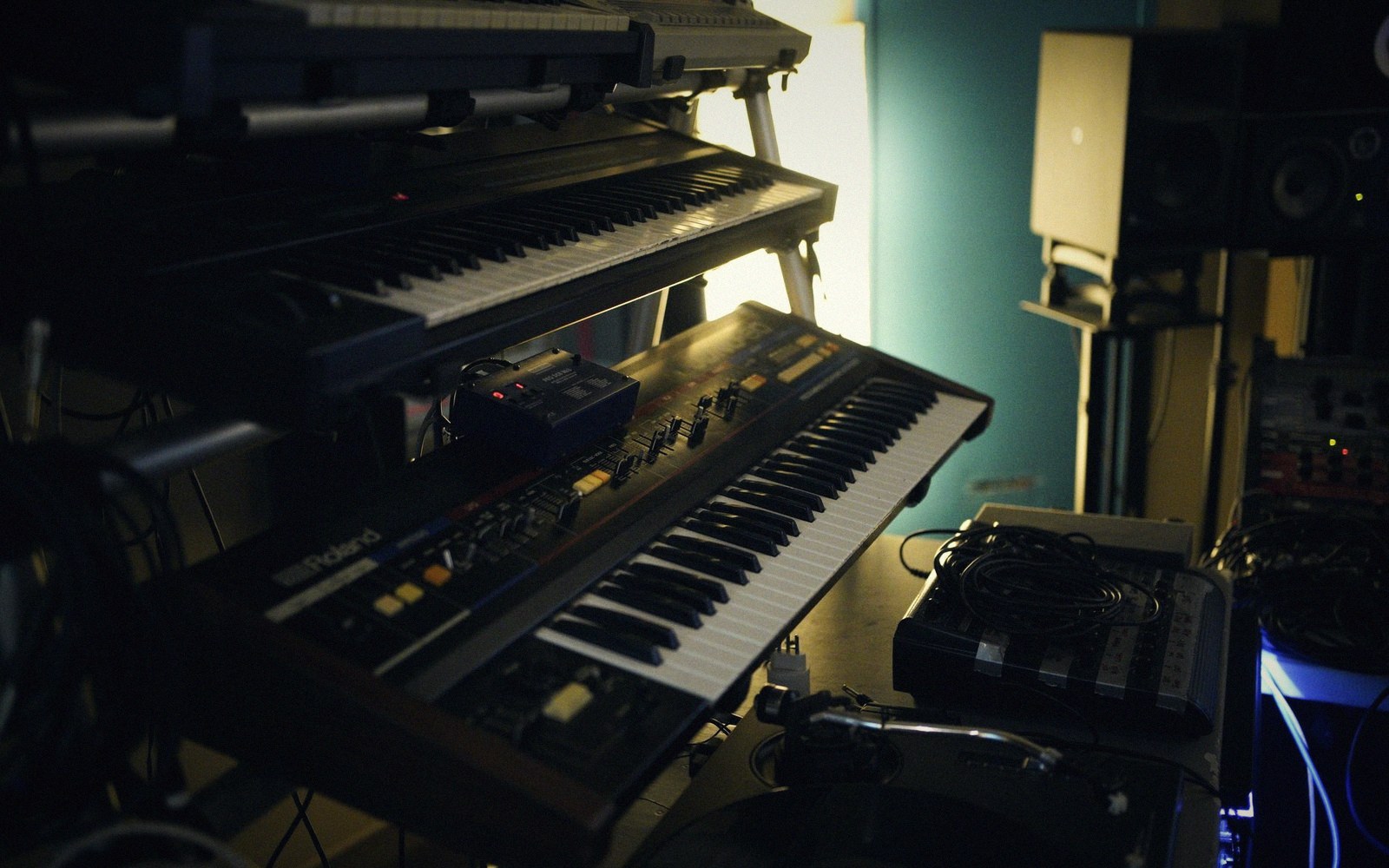
The transition from guitar bands to sequencer-driven pop took about eighteen months. The gear changed faster than the ideology did.
The standard version of events frames punk and synth-pop as opposites — one raw and guitar-driven, the other cold and machine-made. The timeline disagrees. The Buzzcocks were recording at Cargo Studios in Rochdale in 1977; by 1979, former punk bands and post-punk splinters across Sheffield and London were running sequences through second-hand synthesisers and calling it something new.
The ideology of DIY transferred almost intact. You didn't need a drummer if you had an early Roland box, and you didn't need a rehearsal room if the sequencer held the arrangement.
What actually shifted was the instrumentation, and even that changed instrument by instrument. Bass guitar gave way to a synth bass driven by a sequencer. The drummer got replaced — or augmented — by a machine. The guitar hung on longest, often buried in the mix or run through effects until it stopped sounding like a guitar at all. Keyboards had always been the odd instrument out in punk; now they moved to the front.
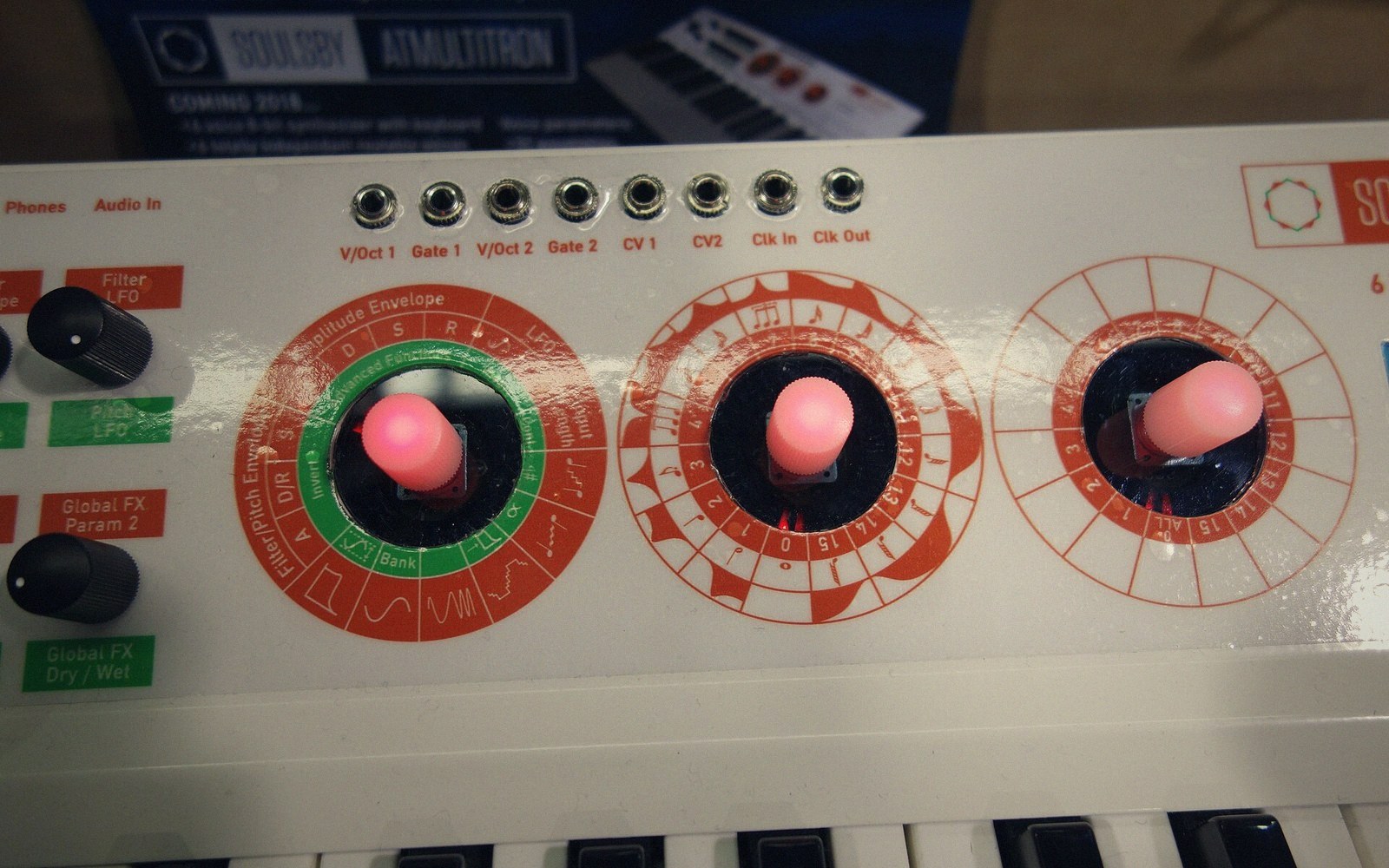
Photo: Soulsby Atmultitron - 6 Voice 8-bit Synthesizer - panel middle - 2017 NAMM Show (2017-01-21 17.39.56 by Pete Brown @ Flickr 32432577146) · Wikimedia Commons
The machines that enabled this were suddenly available and, relative to prior synthesiser technology, cheap. Roland's boxes offered patch memory, which meant a sound survived power-down. The Prophet-5 gave polyphony to players who had never had it.
The Linn LM-1 offered sampled drum sounds that sat in a mix with an authority that drum machines had previously lacked. None of these were budget items, but a shared synth in a rehearsal space cost less than a full touring backline.
What production practice did was consolidate the shift. Martin Rushent, working with The Human League at Genetic Sound in Streatley, assembled Dare almost entirely from sequenced and edited parts. Hugh Padgham at Townhouse Studios found a room sound that made machines feel physical. The aesthetic moved from the rehearsal space to the desk; once that happened, the guitar's advantage — that it sat naturally in the room — disappeared.
Punk's contribution was the permission. Synth-pop inherited the assumption that you didn't wait for a major label or a properly equipped band before you made a record.
Continue in The Wave
Same section, next entry
Related elsewhere in the magazine
Named in this entry
Every name above is real and appears here for documented work only. Where an origin story is contested this magazine says so rather than choosing the tidy version.