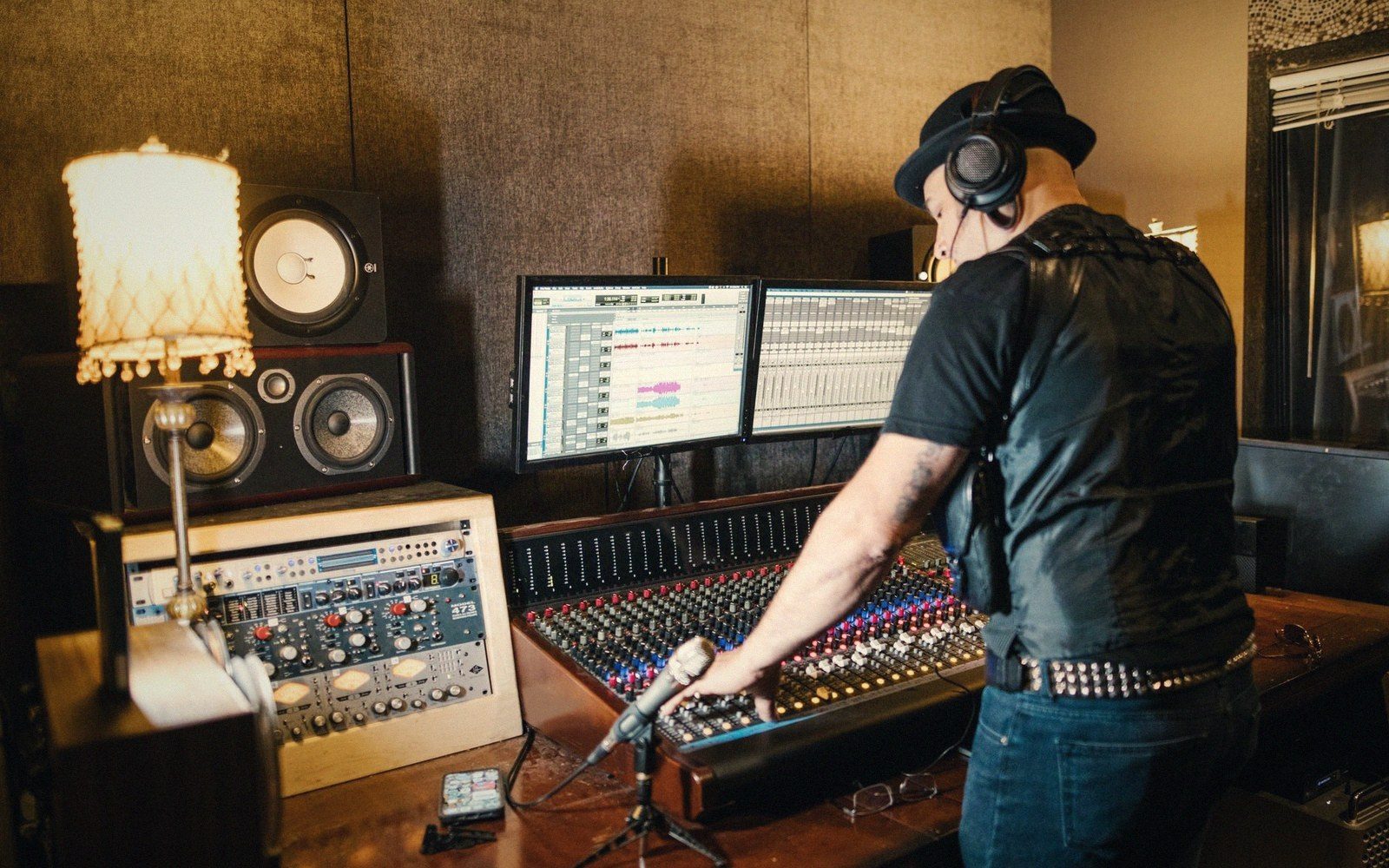
When the arrangement happens at the mixing desk, the question of who wrote the record becomes genuinely hard to answer.
The standard account puts the songwriter before the producer: one person has an idea, another person records it. That model held reasonably well through the sixties, then started to buckle. By the early eighties it had broken down in ways the credit lines on sleeves were not equipped to describe.
The shift came when the tools of production stopped being neutral carriers and started generating the arrangement itself. A sequencer does not merely record a bassline; it imposes quantisation, locks the tempo to tape, and makes repetition structurally load-bearing in a way a human player never quite could.
When Martin Rushent assembled Dare from sequencer parts and tape edits, the decisions about what went where and at what density were production decisions — and they were also compositional ones. The desk, the Linn and the Prophet-5 were not documenting a song; they were building it.
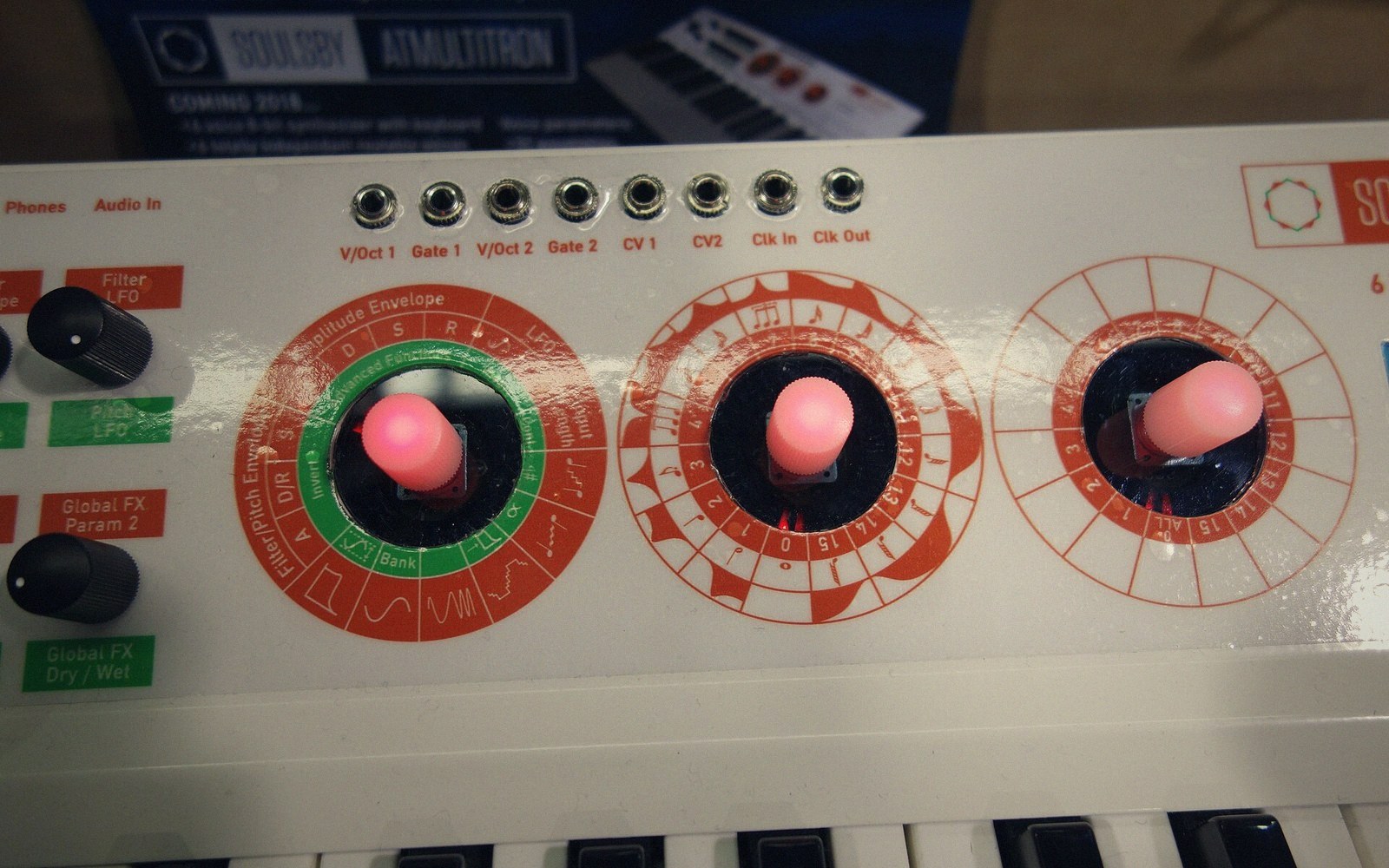
Photo: Pete Brown / Flickr, via Wikimedia Commons
Hugh Padgham's work at Townhouse Studio 2 makes the same point from a different angle. The gated reverb sound that defines so much of that period is not an effect applied to a snare hit — it is a snare hit, inseparable from the room, the SSL desk, the noise gate and the specific set of choices made during recording.
Strip the processing and you have a different instrument. The producer, in those sessions, was not serving the arrangement; the producer was the arrangement's most consequential author.
Trevor Horn's practice makes this explicit. His productions for ABC and later the Art of Noise were built up from layers of Fairlight samples, LinnDrum patterns and tape manipulation to a degree where the band, in any traditional sense, was one ingredient among many. The production was not a frame around the music; it was the music. Horn has been careful, in interviews, not to overclaim this — but the sonic evidence is fairly unambiguous.
What the producer contributes — texture, tempo, space, the decision to cut a bar or double a chorus — largely falls outside the categories the law was built for.
None of this is tidy. Performers bring material, publishers register it, and copyright law still works primarily from lyrics and melody. What the producer contributes — texture, tempo, space, the decision to cut a bar or double a chorus — largely falls outside the categories the law was built for. The arrangement credit on a record sleeve is, at best, an approximation, and often it is absent entirely.
The honest position is that authorship on these records is distributed, contested and sometimes impossible to fix. The desk did not merely capture something that pre-existed it. In the best of those sessions, it was where the record was written.
Continue in The Desk
Same section, next entry
Related elsewhere in the magazine
Named in this entry
Every name above is real and appears here for documented work only. Where an origin story is contested this magazine says so rather than choosing the tidy version.